
Search
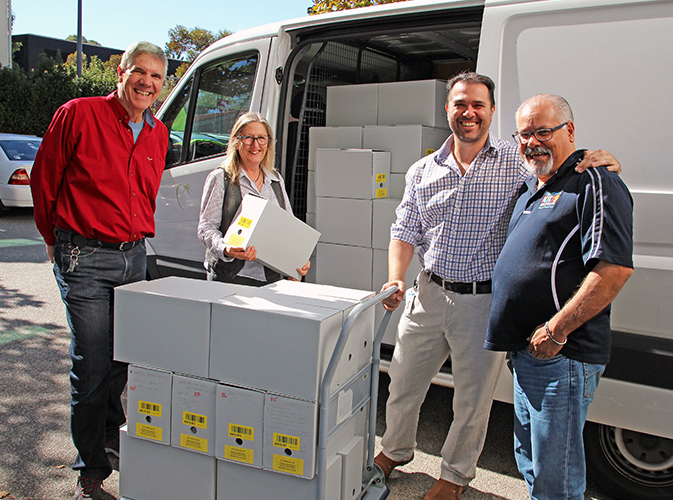
The landmark Western Australian Aboriginal Child Health Survey has been placed into archiving at the State Library of Western Australia to be preserved for future generations.
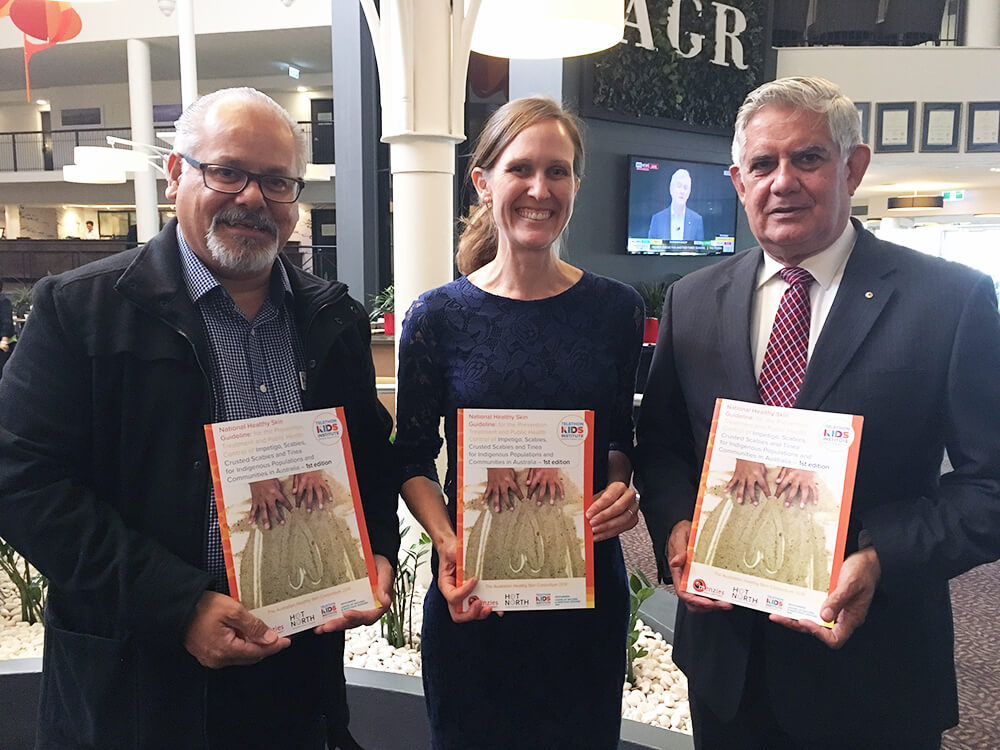
Researchers have developed the first National Healthy Skin Guideline to address record rates of skin infections in Australia’s Indigenous communities.
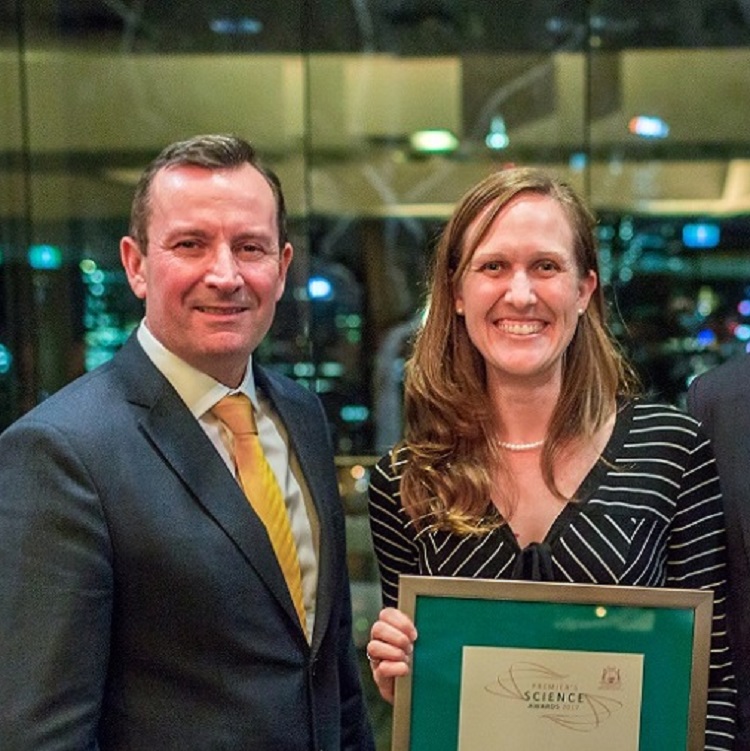
Infectious diseases researcher, Dr Asha Bowen, has won the Early Career Scientist of the Year Premier's Science Award for 2017.
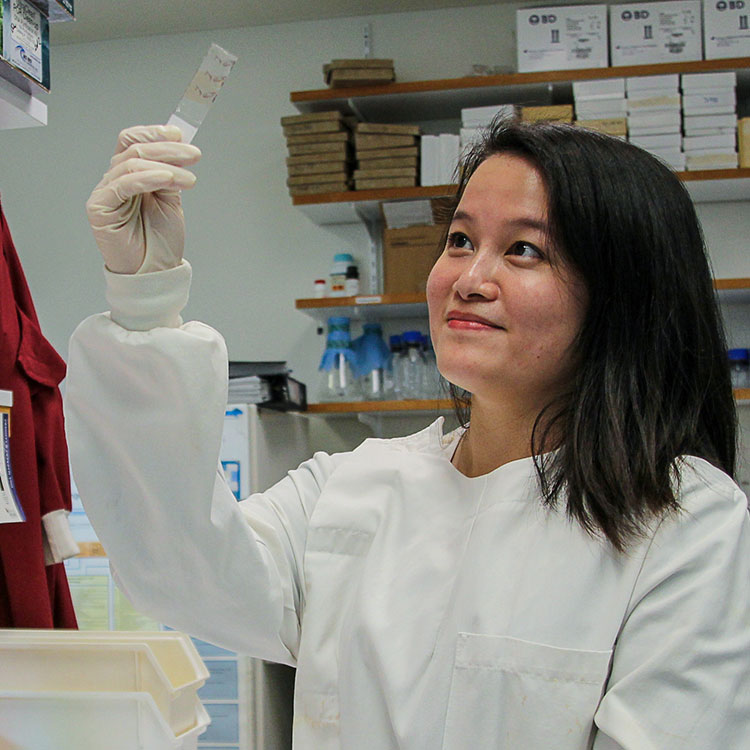
The Kids Research Institute Australia researchers have been awarded five of eight State Government awards designed to help cover the hidden costs of conducting research.
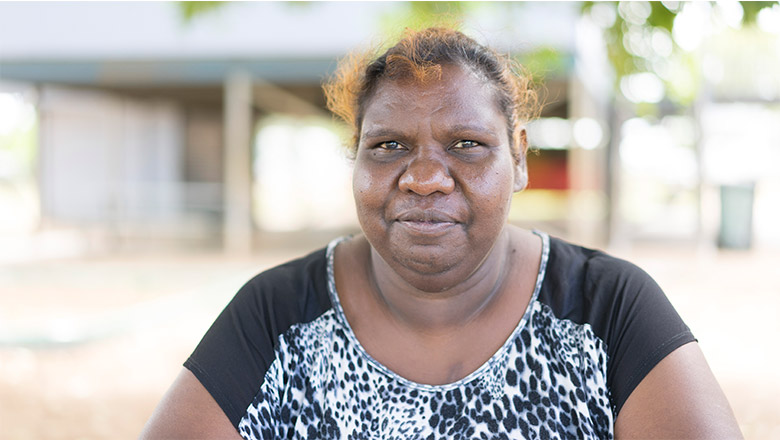
Aboriginal women in Western Australia's Kimberley region will be become qualified as community health researchers thanks to a grant awarded to The Kids.
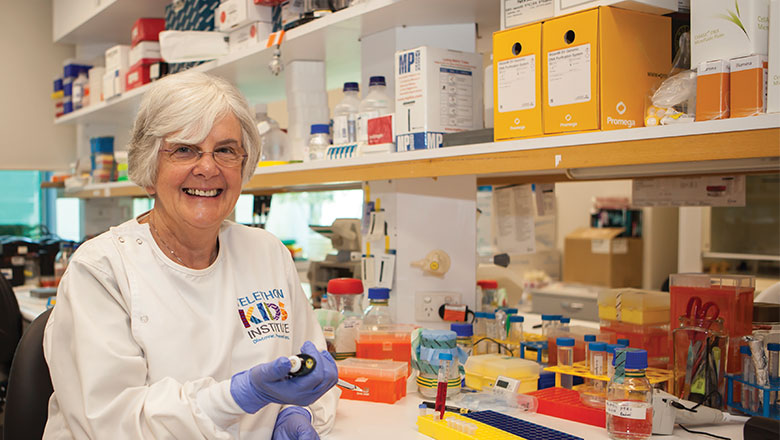
Winning the support of a remote Aboriginal community paved the way for a pioneering genetics study.
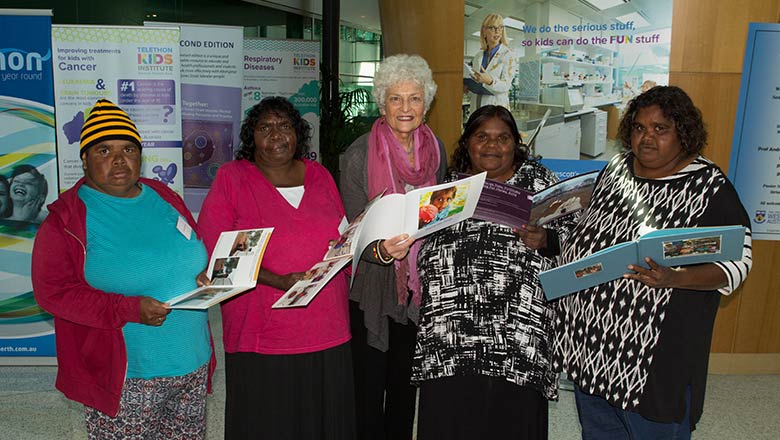
An NHMRC grant to develop a program to improve school outcomes in the Ngaanyatjarra lands has helped create books reflecting Aboriginal experiences.
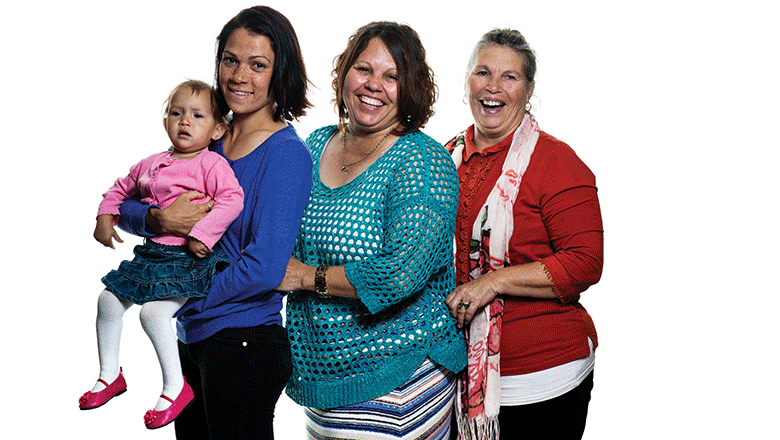
A study by researchers at The Kids Research Institute Australia has found Aboriginal mothers are at a significantly greater risk of preventable death than other Australia
Australia's first national diagnostic tool for Fetal Alcohol Spectrum Disorder (FASD) has been developed by researchers at The Kids Research Institute Australia and the U

A new project aimed at reducing Fetal Alcohol Spectrum Disorder (FASD) in the Pilbara has been launched today in South Hedland.