
Search
In this chapter we use rich longitudinal data to examine the typical growth of vocabulary in children as they age from 4 years onwards.
In this chapter we provide a brief summary of the key themes of the book, identify emerging directions and challenges in life course theory and data designs and highlight some policy challenges for researchers going forward. © 2022, The Author(s).
In this chapter we present the research questions motivating the book and outline key themes and issues guiding the chapters. We provide a broad overview of the Australian social, political and economic context to give readers an understanding of some of the key features of Australian society.
Children who are Deaf and Hard of Hearing, their parents, Teachers of the Deaf, and other community stakeholders were involved in co-designing a web-based resource to support students' social-emotional well-being.
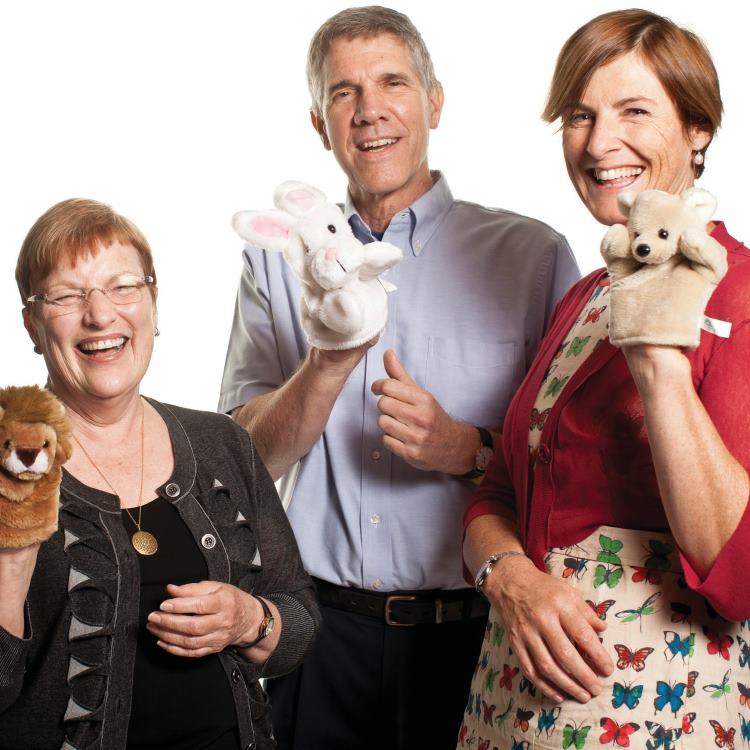
A joint initiative between The Kids Research Institute Australia, The University of Western Australia, the University of Kansas and Nebraska University, it is the world’s only study to conduct such a detailed assessment of language and literacy development from infancy through the formative adolescent years.
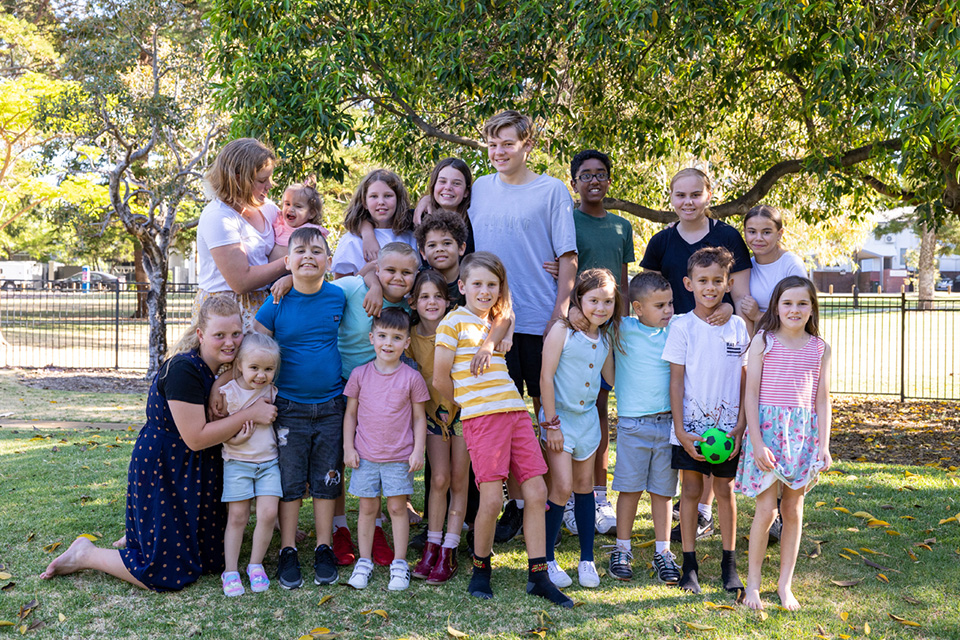
The Human Development and Community Wellbeing (HDCW) Team focuses on improving outcomes for children, family, and the community.
Co-Head, Aboriginal Health and Wellbeing
Team Head, Human Development and Community Wellbeing Team
The Bright Tomorrows app developed at The Kids Research Institute Australia aims to assist parents of children aged 0-5 years to support their child to develop the building blocks of several essential life skills.
The Tasmanian Government has made a significant commitment in recent years to ensure children have the best possible start in life.