
Search
Six leading health organisations have joined a new coalition to end rheumatic heart disease in Australia, disproportionately affecting Indigenous Australians.
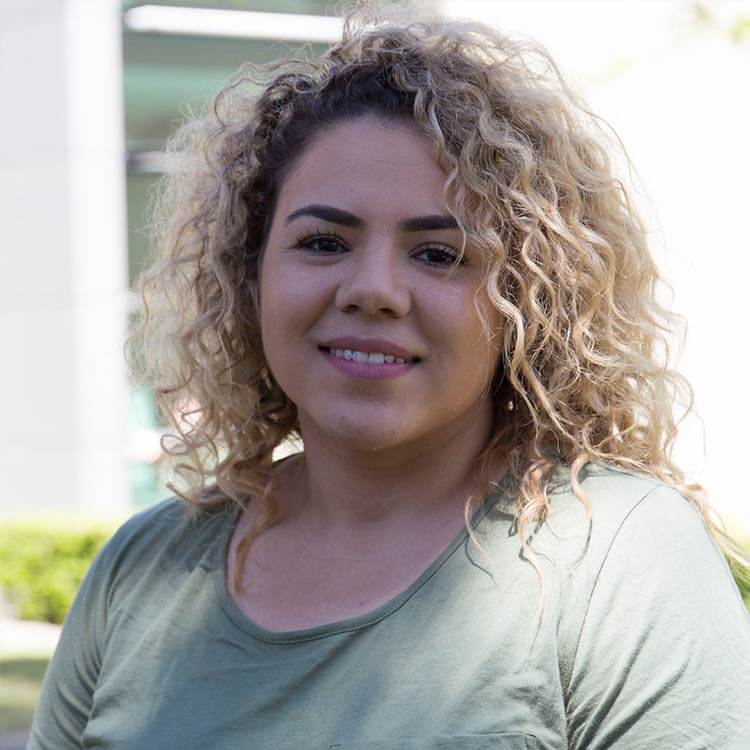
25 year old Noongar woman Tiana Culbong, a The Kids Research Institute Australia researcher, has been named as a finalist in the WA Youth Awards.
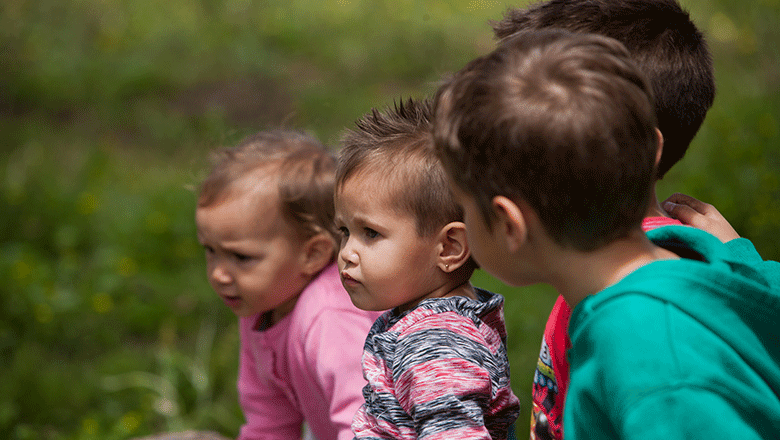
Acknowledging the enormous efforts in ear health programs across WA, we invite stakeholders to assist us in establishing research priorities.
The Kids Research Institute Australia have shown that genetic variations that influence BMI and diabetes are similar to those in non-Aboriginal populations.
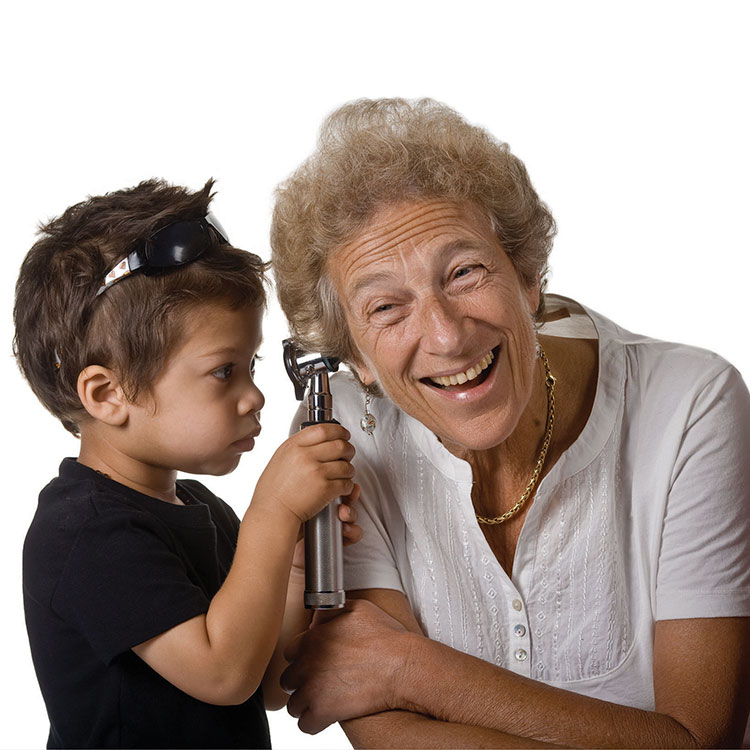
The Kids researchers discovered that overcrowding is the strongest predictor of carriage of bacteria that cause otitis media
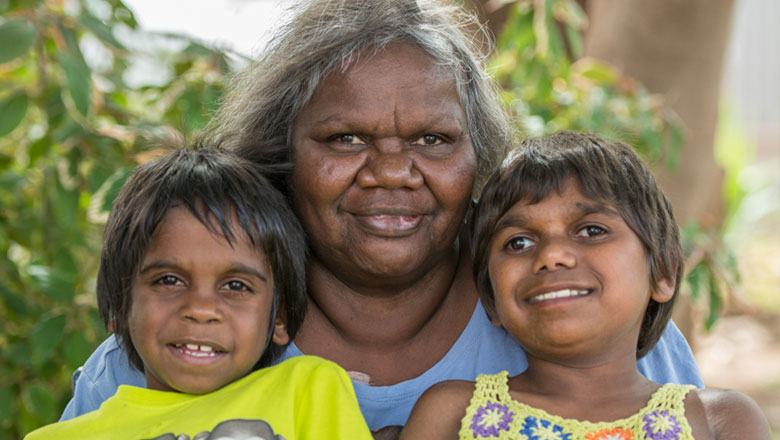
Following our highly successful Open Space Forums in 2014, The Kids warmly invites you to our next forum on Aboriginal Health.
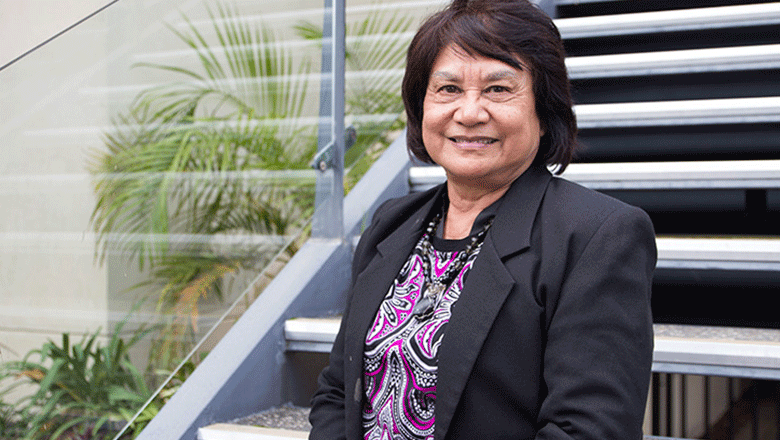
To celebrate NAIDOC week we sat down with Isabelle Adams, the coordinator of The Kids Research Institute Australia's Kulunga Aboriginal Research Development Unit (KARDU).
The Kids Research Institute Australia Founding Director Professor Fiona Stanley will help launch a series of children's books on Monday, written by local Aboriginal people
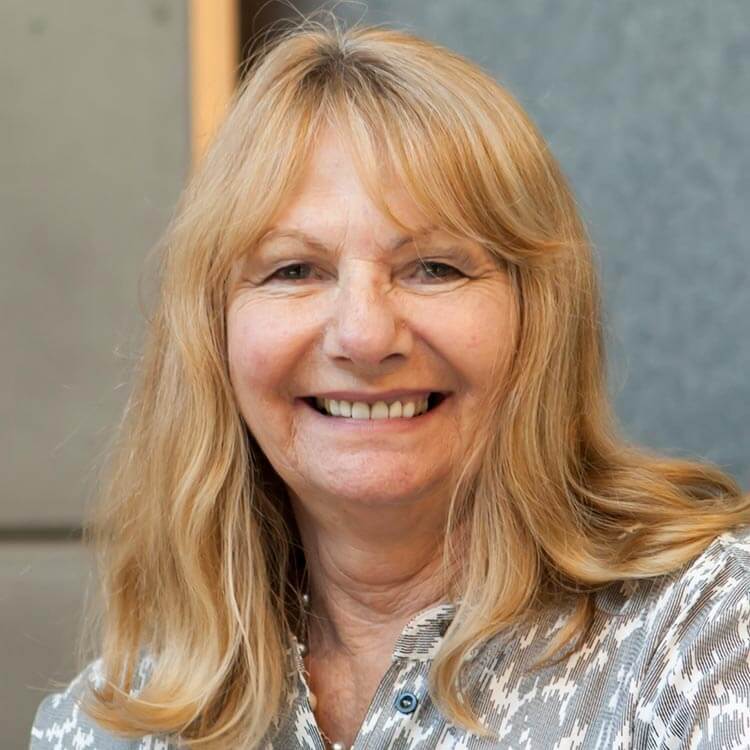
Associate Professor Roz Walker has been involved in research, evaluation and education with Aboriginal communities building local capacity for 30 years.
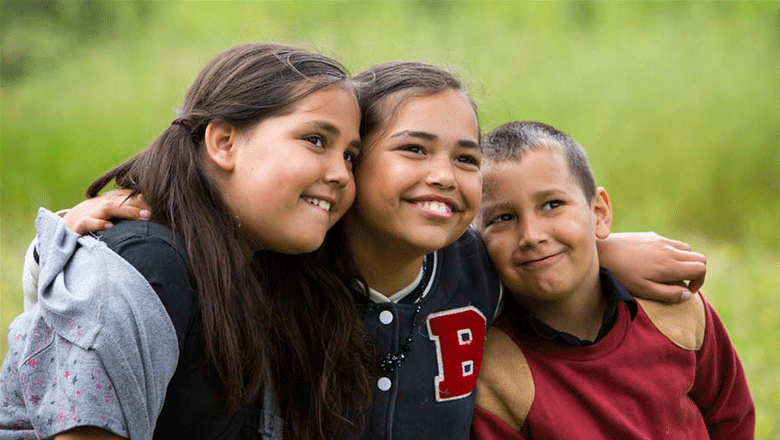
The National Aboriginal and Torres Strait Islander Leadership in Mental Health welcomes funding by the Australian Government