
Search
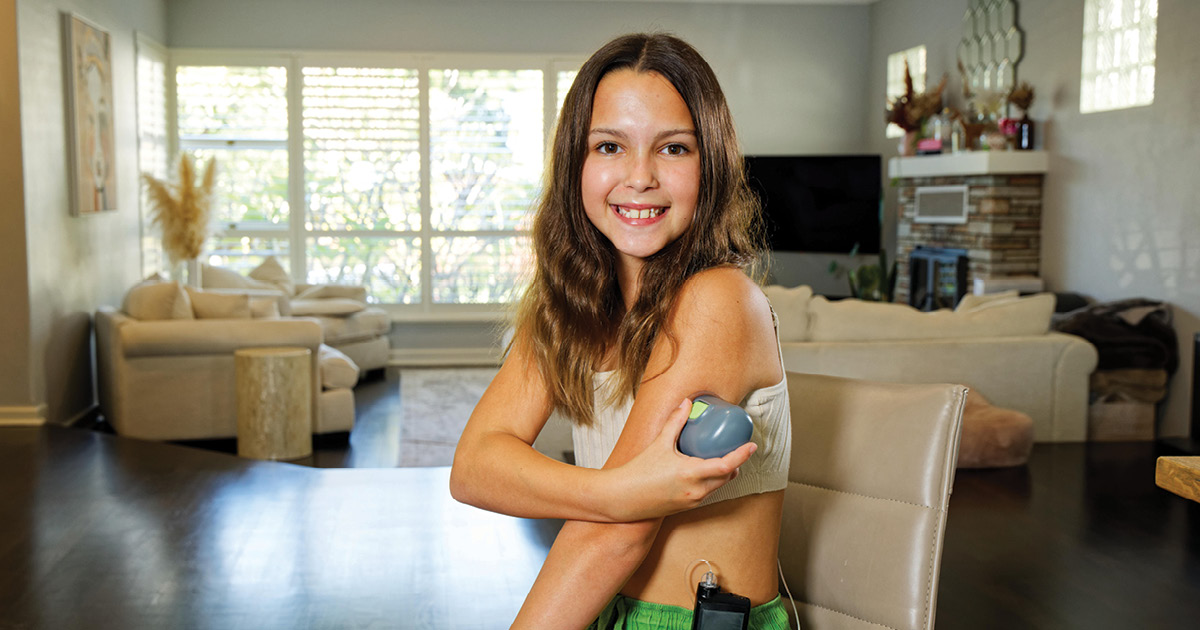
Imagine living with a condition that requires you to make approximately 180 health- related decisions every day for the rest of your life.
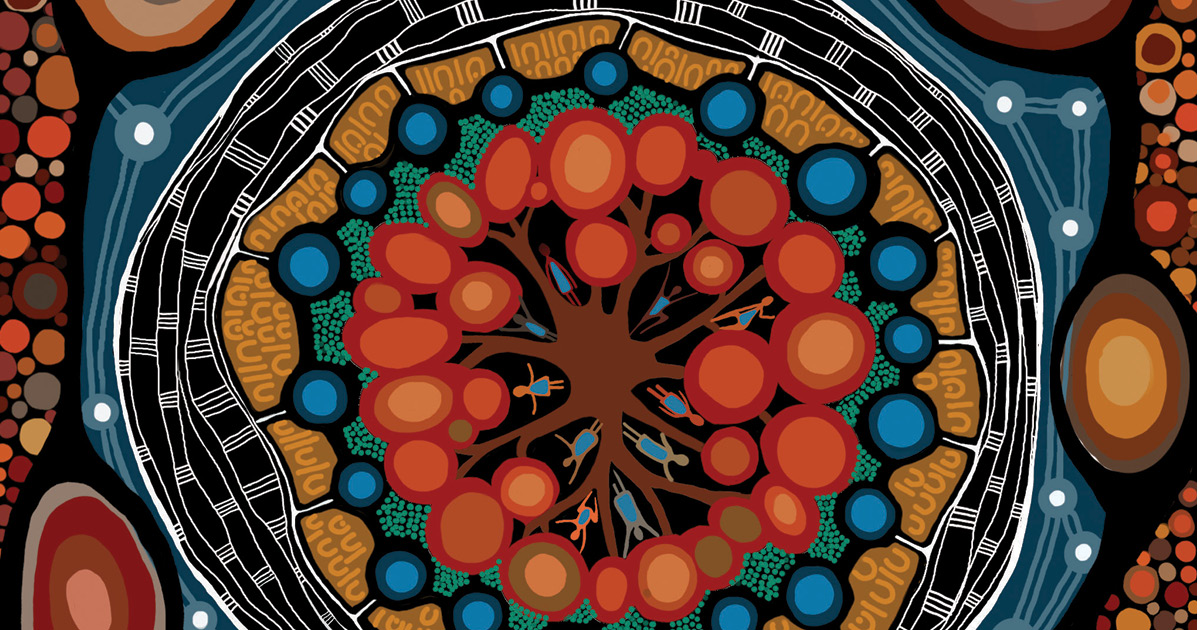
Life imitates art in a new project that seeks to entrench cultural safety for young Aboriginal and Torres Strait Islander people into WA’s mental health system.
The NATSISPEP will formally evaluate a range of existing Indigenous suicide prevention programs and services to develop an evidence base for 'what works'.
The social and emotional wellbeing of Aboriginal children and young people
This was a five year grant from the NHMRC to build research capacity in ten Aboriginal researchers
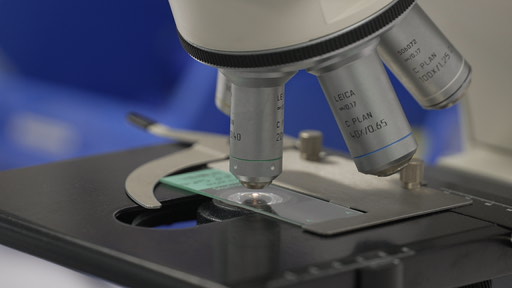
The Kids Research Institute Australia is equipped with a diverse range of histology and microscopy equipment and analysis software to facilitate state-of-the-art imaging.
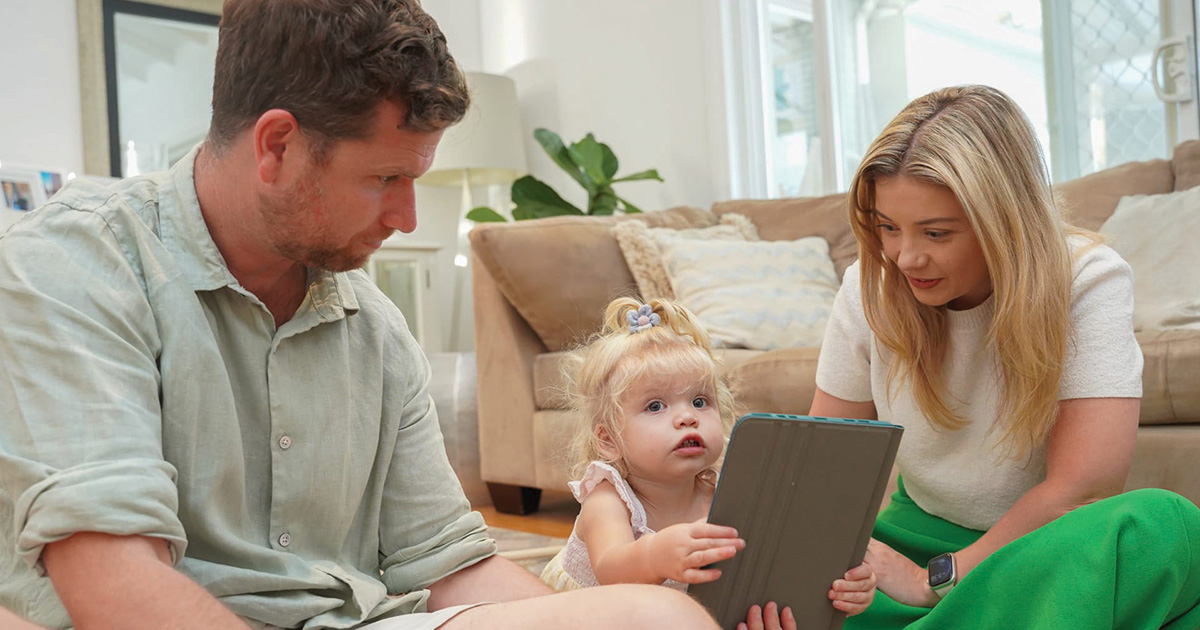
Toddlers exposed to screen time at home are hearing fewer words and making fewer vocalisations, findings from the first longitudinal study to measure the relationship between family screen use and children’s language development have shown.
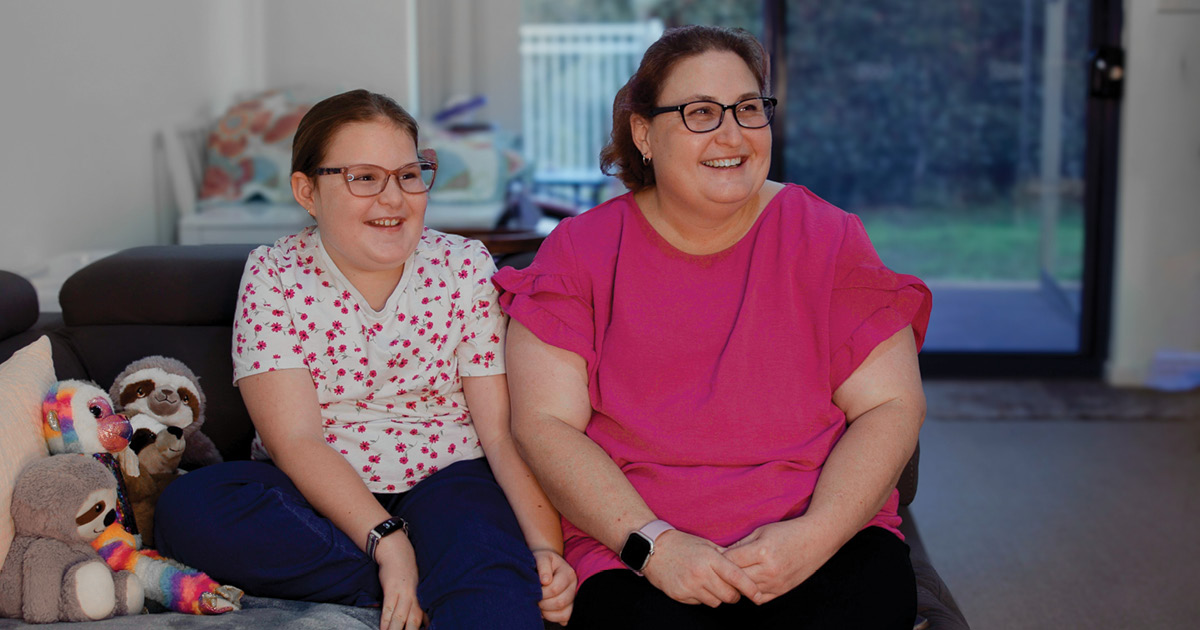
Helping children build resilience and cope with the trauma associated with medical emergencies and chronic health conditions is the focus of a promising pilot program being undertaken by The Kids Research Institute Australia.
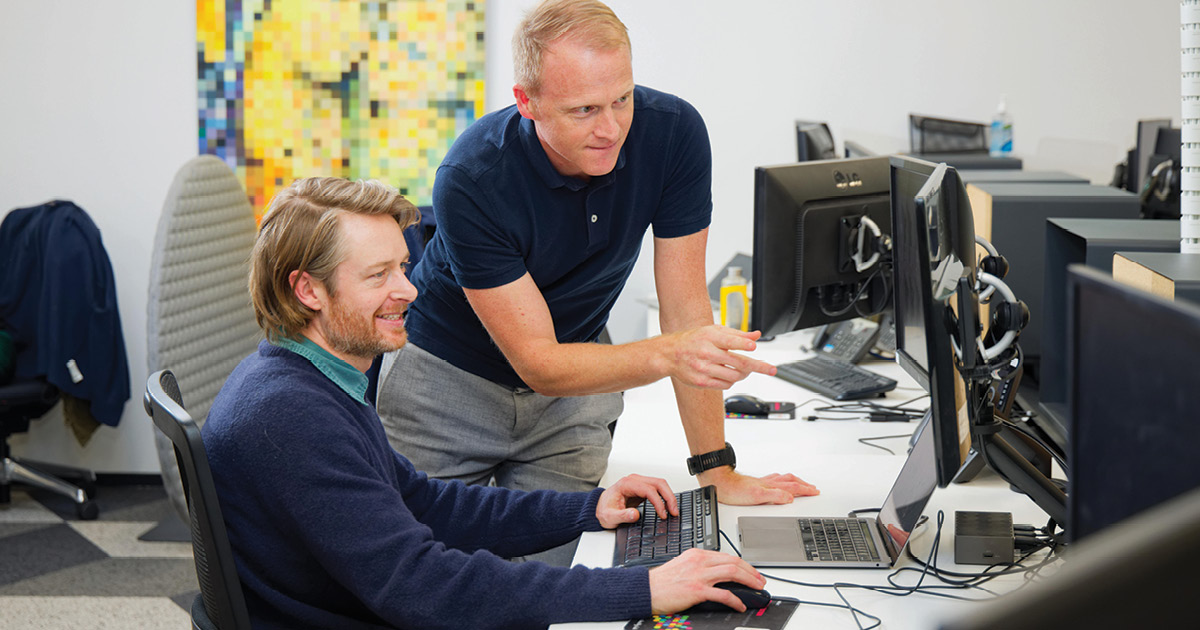
Nearly 170 years ago a British doctor applied geospatial mapping to identify the source of a cholera outbreak in central London.
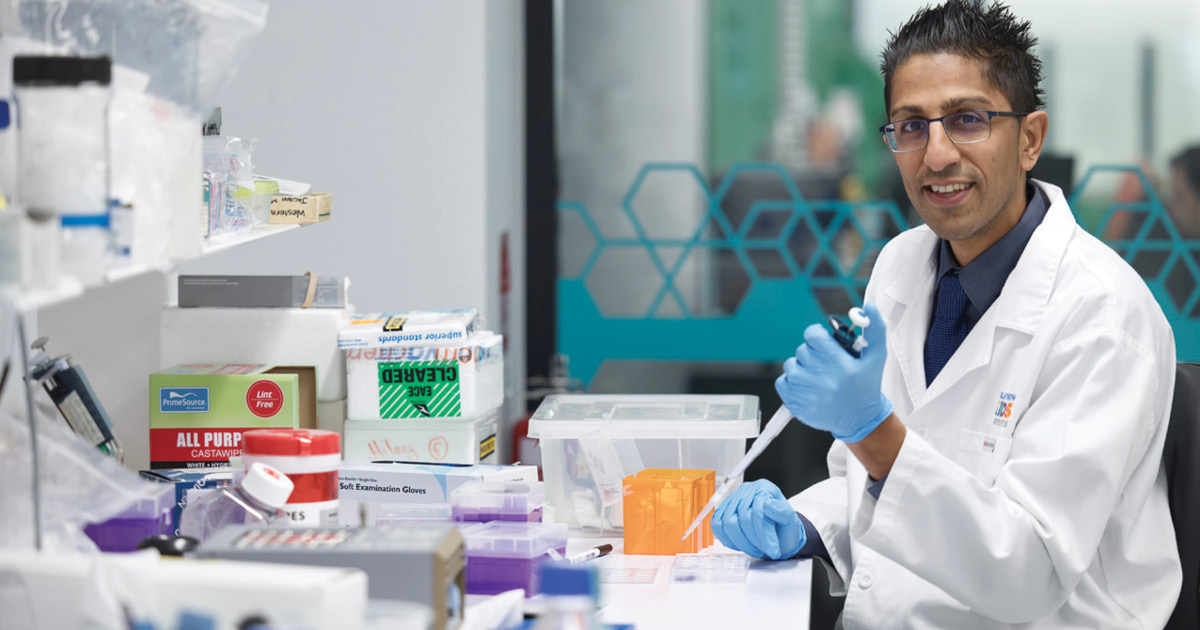
A pilot clinical study has found an immunotherapy drug can dramatically increase survival rates for babies with a rare form of leukaemia, paving the way for a major international clinical trial.