
Search
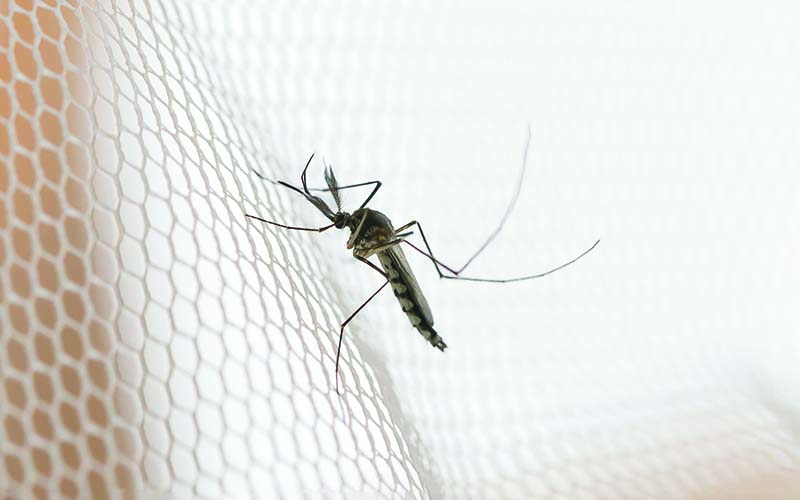
Global efforts led by The Kids Research Institute Australia’s Child Health Analytics program will see nations impacted by high rates of malaria empowered to develop their own controls and solutions.
The implications of climate change for malaria eradication this century remain poorly resolved. Many studies focus on parasite and vector ecology in isolation, neglecting the interactions between climate, malaria control and the socioeconomic environment, including disruption from extreme weather. Here we integrate 25 years of African data on climate, malaria burden and control, socioeconomic factors, and extreme weather.
Since their first detection in 2010, Plasmodium falciparum malaria parasites lacking the P. falciparum histidine-rich protein 2 gene (pfhrp2) have been observed in 40 of 47 surveyed countries, as documented by the World Health Organization. These genetic deletions reduce detection by the most widely used rapid diagnostic tests, prompting three countries to switch to alternative diagnostics.
Half of all pregnancies at risk of malaria worldwide occur in the Asia-Pacific region, where Plasmodium falciparum and Plasmodium vivax co-exist. Despite substantial reductions in transmission, malaria remains an important cause of adverse health outcomes for mothers and offspring, including pre-eclampsia. Malaria transmission is heterogeneous, and infections are commonly subpatent and asymptomatic.
The human landing catch (HLC) method, in which human volunteers collect mosquitoes that land on them before they can bite, is used to quantify human exposure to mosquito vectors of disease. Comparing HLCs in the presence and absence of interventions such as repellents is often used to measure protective efficacy (PE).
Plasmodium knowlesi is a zoonotic parasite that causes malaria in humans. The pathogen has a natural host reservoir in certain macaque species and is transmitted to humans via mosquitoes of the Anopheles Leucosphyrus Group. The risk of human P. knowlesi infection varies across Southeast Asia and is dependent upon environmental factors.
Malaria is a significant public health concern in the Kingdom of Saudi Arabia (KSA). This study aimed to investigate the spatiotemporal distribution of malaria in the KSA between 2017 and 2021.
Urban population growth in Nigeria may exceed the availability of affordable housing and basic services, resulting in living conditions conducive to vector breeding and heterogeneous malaria transmission. Understanding the link between community-level factors and urban malaria transmission informs targeted interventions.
Children recovering from severe malarial anaemia (SMA) remain at high risk of readmission and death after discharge from hospital. However, a recent trial found that post-discharge malaria chemoprevention (PDMC) with dihydroartemisinin-piperaquine reduces this risk. We developed a mathematical model describing the daily incidence of uncomplicated and severe malaria requiring readmission among 0-5-year old children after hospitalised SMA.