
Search

A global consortium of Group A Streptococcus (Strep A) researchers has launched a series of best practice surveillance protocols designed to unite international research efforts for a world-first Strep A vaccine.

Instant diagnosis and treatment of potentially life-threatening Strep A infections is now very close to reality across Australia’s remote and regional areas thanks to molecular point-of-care testing (POCT) that slashes result times from five days to just minutes.

Researchers have identified key differences between cancers that respond to immunotherapy and those that do not.
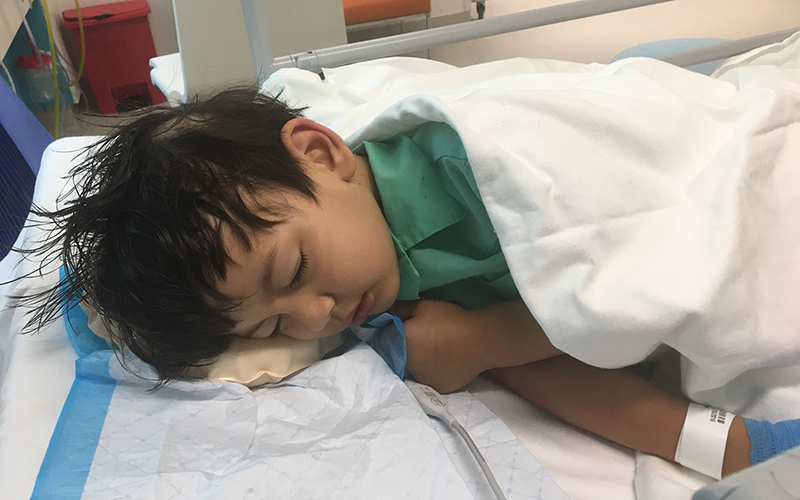
Charlie, 6, has ended up in hospital twice with invasive Strep A infection over his short lifetime – the first time when just three years old.

Researchers have developed Australia’s first comprehensive guidelines for clinical and community services supporting LGBTQA+ youth.

A leading paediatric anaesthetist and researcher focused on making anaesthesia safer and more comfortable for children has been named a 2022 Western Australian Young Tall Poppy.
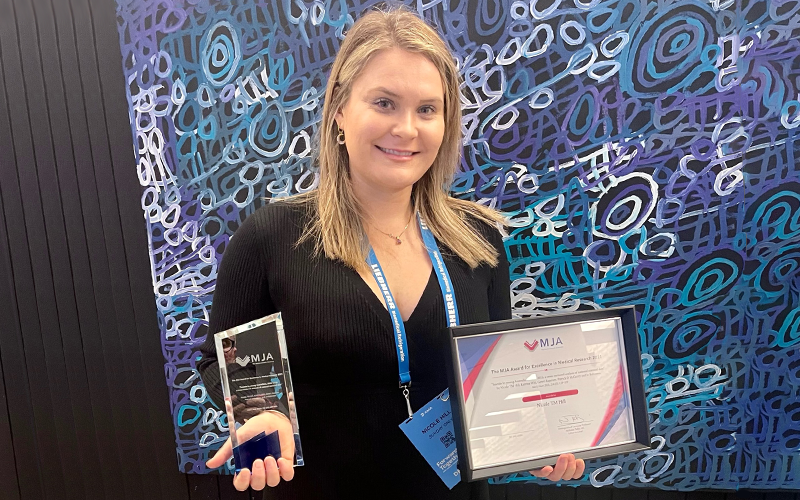
Dr Nicole Hill and a team of co-researchers from Orygen have received the 2021 Medical Journal of Australia (MJA) award for Excellence in Medical Research.

The urgency for a world-first respiratory syncytial virus vaccine is at an all-time high.

Australia’s TGA has granted a provisional determination to Pfizer, allowing the pharmaceutical company to apply for approval to extend its COVID-19 vaccine to children aged 6 mths - 4 yrs.
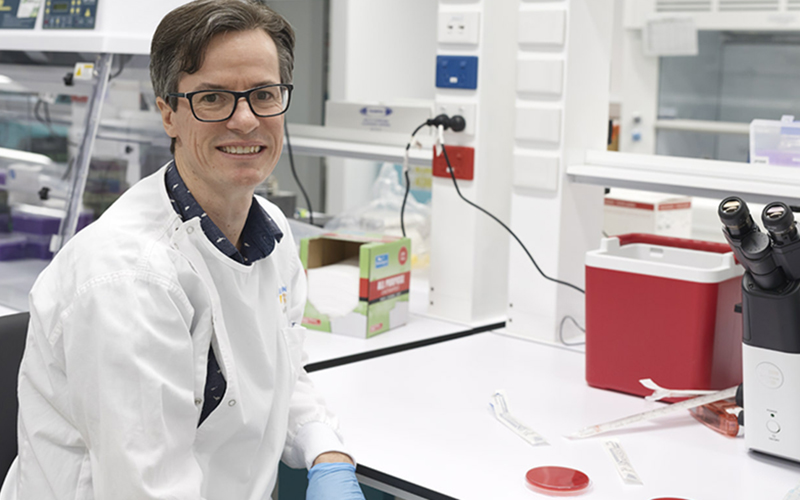
A rapid test to detect antibiotic-resistant skin infections in Aboriginal children could be a step closer, thanks to support from the FHRIF.