
Search
Processed electroencephalography (EEG) indices used to guide anesthetic dosing in adults are not validated in young infants. Raw EEG can be processed mathematically, yielding quantitative EEG parameters (qEEG). We hypothesized that machine learning combined with qEEG can accurately classify expired sevoflurane concentrations in young infants. Knowledge from this may contribute to development of future infant-specific EEG algorithms.
Parents and caregivers play a critical role in the care of their child peri-operatively. Our team undertook previous research with parents/carers, which identified Australian parents' top 10 research priorities for paediatric anaesthesia and peri-operative medicine.

Congratulations to trailblazing Western Australian paediatric anaesthetist and researcher Professor Britta Regli-von Ungern-Sternberg, who has been awarded a prestigious Prime Minister’s Prize for Science for globally influential research that has made surgery and recovery safer for babies and children.
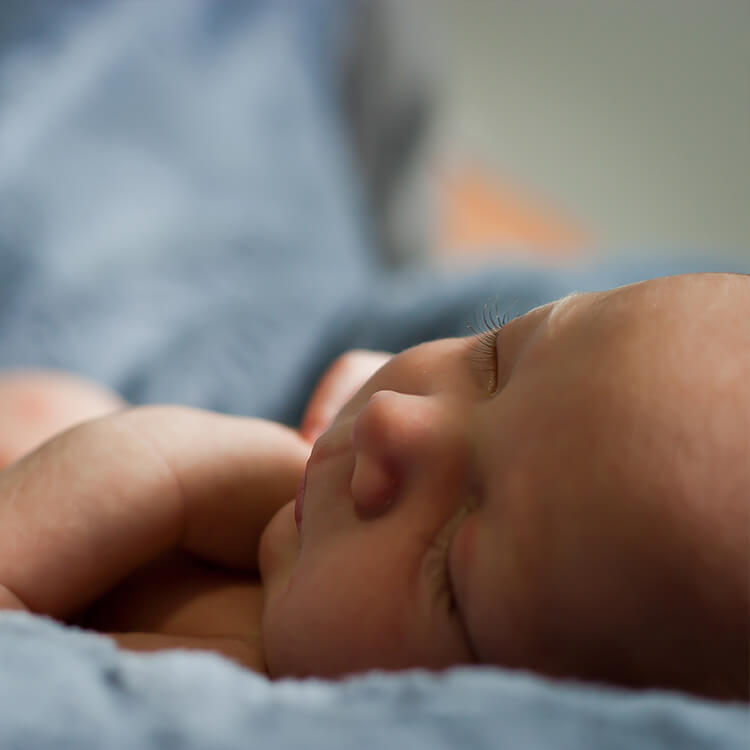
Perth researchers who were involved in an international study which examined two different techniques used to intubate newborns and young babies during surgery expect the findings to lead to a change in global practice.

A The Kids Research Institute Australia ear health researcher has received a prestigious national fellowship to support her search for new therapies to improve the lives of kids who suffer repeat middle ear infections.
The availability of age-appropriate, taste-masked oral solid medications for the paediatric population is currently inadequate. We have developed a novel chocolate-based drug delivery platform to taste-mask bitter drugs commonly utilised in the hospital setting, but there is limited evidence regarding parent's perspectives on these medications.
Britta Regli-von Ungern-Sternberg AM FAHMS MD, PhD, DEAA, FANZA Chair of Paediatric anaesthesia, University of Western Australia; Consultant
Pediatric surgery cases are increasing worldwide. Within pediatric anesthesia, perioperative respiratory adverse events are the most common precipitant leading to serious complications.
Perioperative respiratory adverse events pose a significant risk in pediatric anesthesia, and identifying these risks is vital. Traditionally, this is assessed using history and examination. However, the perioperative risk is multifactorial, and children with complex medical backgrounds such as chronic lung disease or obesity may benefit from additional objective preoperative pulmonary function tests.
Lung-protective ventilation (LPV) has been adopted in the theater environment as a strategy to reduce pulmonary complications under anesthesia. Postoperative pulmonary complications are not infrequent and may have significant implications on the postoperative length of stay as well as the morbidity and mortality of pediatric patients.