
Search
Atopic dermatitis is a common inflammatory skin condition and prior genome-wide association studies have identified 71 associated loci. In the current study we conducted the largest AD GWAS to date combining previously reported cohorts with additional available data.
New and emerging risks for invasive aspergillosis (IA) bring the need for contemporary analyses of the epidemiology and outcomes of IA, in order to improve clinical practice.
Increases in invasive group A streptococcal disease (iGAS) have recently been reported in multiple countries in the northern hemisphere, occurring during, and outside of, typical spring peaks. We report the epidemiology of iGAS among children in Australia from 1 July 2018 to 31 December 2022.
Group A Streptococcus (GAS) causes pharyngitis (sore throat) and impetigo (skin sores) GAS pharyngitis triggers rheumatic fever (RF) with epidemiological evidence supporting that GAS impetigo may also trigger RF in Australian Aboriginal children. Understanding the concurrent burden of these superficial GAS infections is critical to RF prevention. This pilot study aimed to trial tools for concurrent surveillance of sore throats and skins sore for contemporary studies of RF pathogenesis including development of a sore throat checklist for Aboriginal families and pharynx photography.

In a WA first, researchers from The Kids Research Institute Australia have shown that Aboriginal babies are 22.5 times more likely to be treated for skin infections than non-Aboriginal babies.

The Kids Research Institute Australia has two researchers and an innovative science engagement initiative as finalists in the 2017 Premier’s Science Awards.
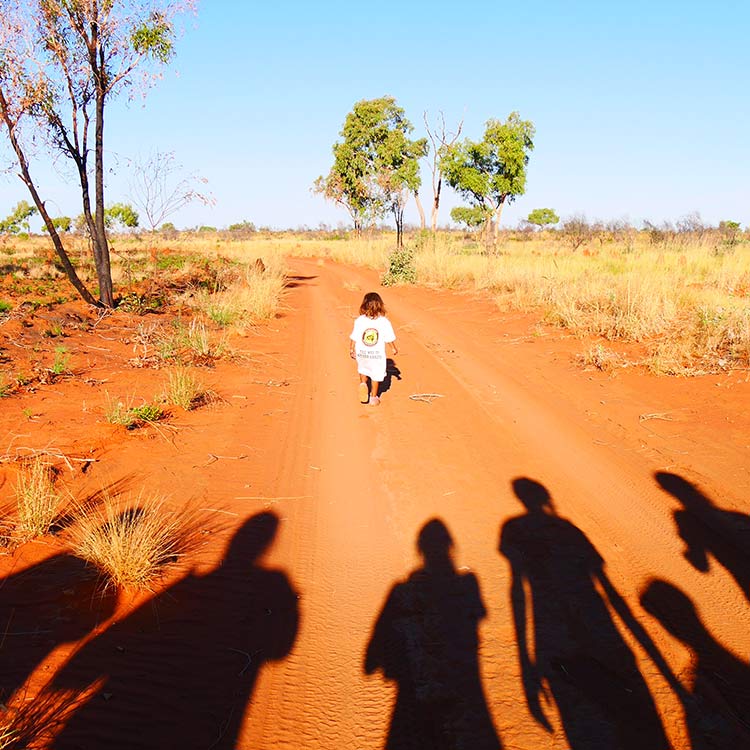
The Kids has recruited Dr Timothy Barnett to embark on a Fellowship to help close gaps in health outcomes between Indigenous and non-indigenous kids

Thanks to a $1 million funding grant, Dr Asha Bowen from The Kids Research Institute Australia is on track to change Aboriginal children's skin infection statistics.
Impetigo is a highly contagious bacterial infection of the superficial layer of skin. Impetigo is caused by group A Streptococcus (Strep A) and Staphylococcus aureus, alone or in combination, with the former predominating in many tropical climates. Strep A impetigo occurs mainly in early childhood, and the burden varies worldwide. It is an acute, self-limited disease, but many children experience frequent recurrences that make it a chronic illness in some endemic settings.
Bacterial skin infections and scabies disproportionately affect children in resource-poor countries as well as underprivileged children in high-income countries. Atopic dermatitis is a common childhood dermatosis that predisposes to bacterial skin infection.