
Search
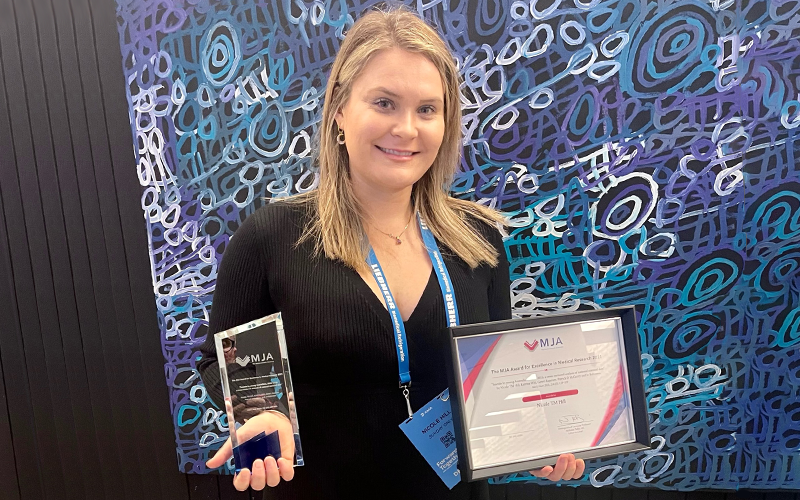
Dr Nicole Hill and a team of co-researchers from Orygen have received the 2021 Medical Journal of Australia (MJA) award for Excellence in Medical Research.

Pioneering Aboriginal psychiatrist, researcher and mental health champion Professor Helen Milroy has been named joint winner of the 2020 Australian Mental Health Prize.
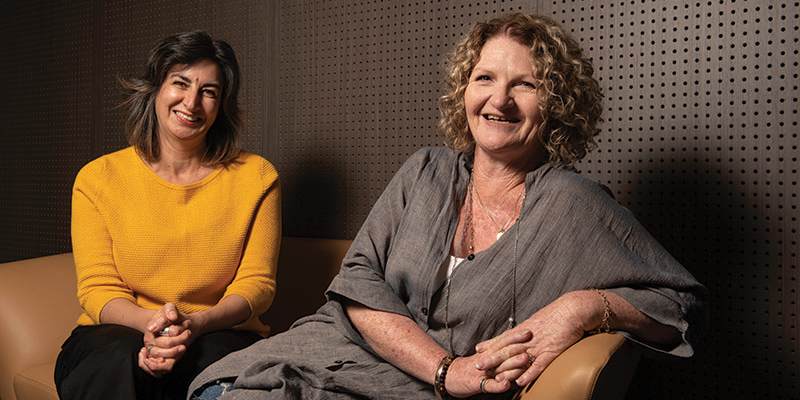
Embrace – a new research collaboration based at The Kids – will bring a new focus to understanding and improving the mental health of children and young people.

While depression and anxiety can have similar signs and symptoms, they also have some distinct features.
Trans and gender diverse (trans) young people experience higher rates of physical and mental ill-health due to chronic exposure to gender minority stress. Consequently, trans young people report higher health and mental healthcare service utilisation. Disconcertingly, negative experiences of healthcare services are prevalent among trans young people, especially those with additional marginalised identities and backgrounds who experience multiple forms of marginalisation.
Qualitative research on sensitive topics (e.g. abuse, mental health difficulties, discrimination) is needed to understand lived experiences of complex issues. However, this type of research raises concerns about potential adverse effects on participants, especially with younger participants and those from marginalized populations. In this study, we conducted a reflexive thematic analysis of 20 trans adolescents’ (14–18 years of age) experiences of participating in research about their stigma experiences.
Parental support is a critical protective factor for trans and gender diverse children, yet many parents lack access to trustworthy, evidence-based information. The Transforming Families project aimed to address this gap by co-designing a digital resource to enhance parental understanding, support, and acceptance.
Lesbian, Gay, Bisexual, Transgender, Intersex, Queer, Asexual/Aromantic (LGBTIQA+) people and other individuals with diverse sexual orientation, sex and/or gender identity experience intimate partner violence (IPV) at higher rates than non-LGBTIQA+ people but often receive inconsistent culturally competent healthcare, which deters help-seeking.
Anxiety is a leading mental health concern in childhood. Whilst a range of therapeutic approaches effectively reduce anxiety in young children, several barriers impact their implementation into practice. Digital interventions could help overcome some of these challenges; however, whether these can effectively target anxiety for children with and without Neurodevelopmental Conditions is unknown.
This lived experience-led scoping review explores the evidence base related to eating disorders/disordered eating behaviours in Autistic trans and gender diverse (TGD) people. This review highlights the currently available data on eating disorder prevalence rates, comparisons with allistic and cisgender groups, drivers and maintenance factors, the relationship between eating disorders and gender-affirming medical care, and treatment outcomes in this population.