Search
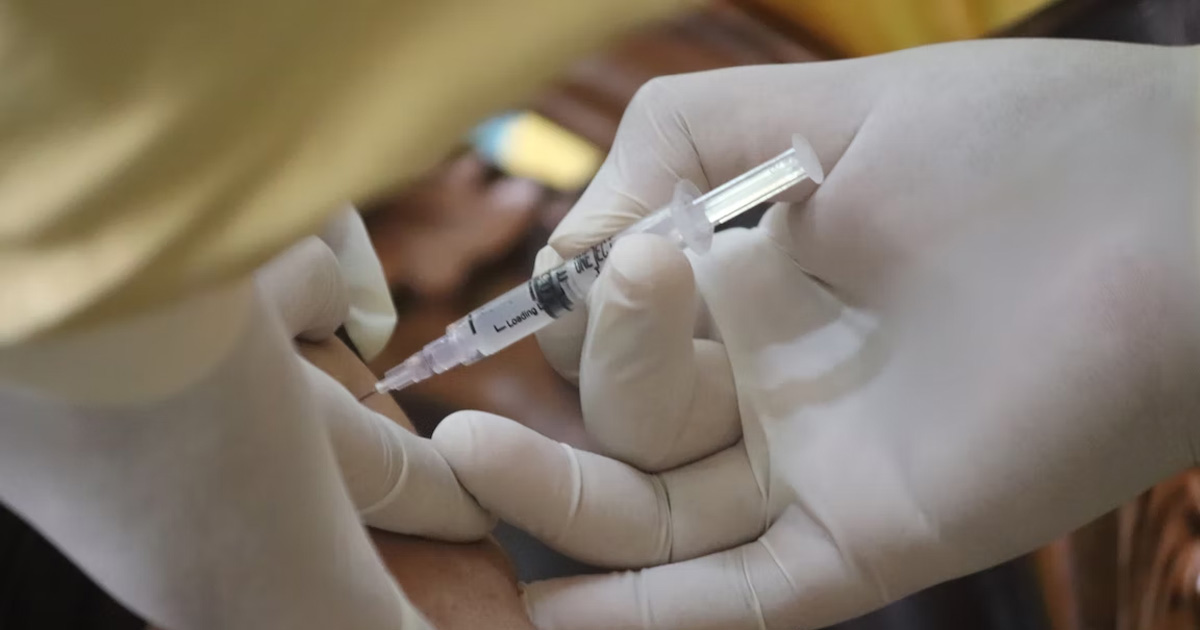
Despite widespread use of pneumococcal conjugate vaccines (PCVs) in children, morbidity and mortality caused by pneumococcal disease (PD) remain high. In addition, many children do not complete their PCV course on schedule. V114 is a 15-valent PCV that contains two epidemiologically important serotypes, 22F and 33F, in addition to the 13 serotypes present in PCV13, the licensed 13-valent PCV.
To describe and explore the relationship between weather and the unusual 2020 bronchiolitis season in Western Australia during the COVID-19 pandemic.
Streptococcus pneumoniae (the pneumococcus) is a human pathogen of global importance, classified into serotypes based on the type of capsular polysaccharide produced. Serotyping of pneumococci is essential for disease surveillance and vaccine impact measurement.
Invasive group A streptococcal (Strep A) infections occur when Streptococcus pyogenes, also known as beta-hemolytic group A Streptococcus, invades a normally sterile site in the body. This article provides guidelines for establishing surveillance for invasive Strep A infections. The primary objective of invasive Strep A surveillance is to monitor trends in rates of infection and determine the demographic and clinical characteristics of patients with laboratory-confirmed invasive Strep A infection, the age- and sex-specific incidence in the population of a defined geographic area, trends in risk factors, and the mortality rates and rates of nonfatal sequelae caused by invasive Strep A infections.
COVID-19 has caused a global public health crisis affecting most countries, including Ethiopia, in various ways. This study maps the vulnerability to infection, case severity and likelihood of death from COVID-19 in Ethiopia. Thirty-eight potential indicators of vulnerability to COVID-19 infection, case severity and likelihood of death, identified based on a literature review and the availability of nationally representative data at a low geographic scale, were assembled from multiple sources for geospatial analysis. Geospatial analysis techniques were applied to produce maps showing the vulnerability to infection, case severity and likelihood of death in Ethiopia at a spatial resolution of 1 km×1 km.
Adult pertussis vaccination is increasingly recommended to control pertussis in the community. However, there is little data on the duration and kinetics of immunity to pertussis boosters in adults. We compared IgG responses to vaccination with a tetanus, low-dose diphtheria, low-dose acellular pertussis (Tdap) booster at 1 week, 1 month and 1 year post-vaccination in whole-cell (wP)-primed Australian paediatric healthcare workers who had received an adult Tdap booster 5-12 years previously, to those who received their first Tdap booster.
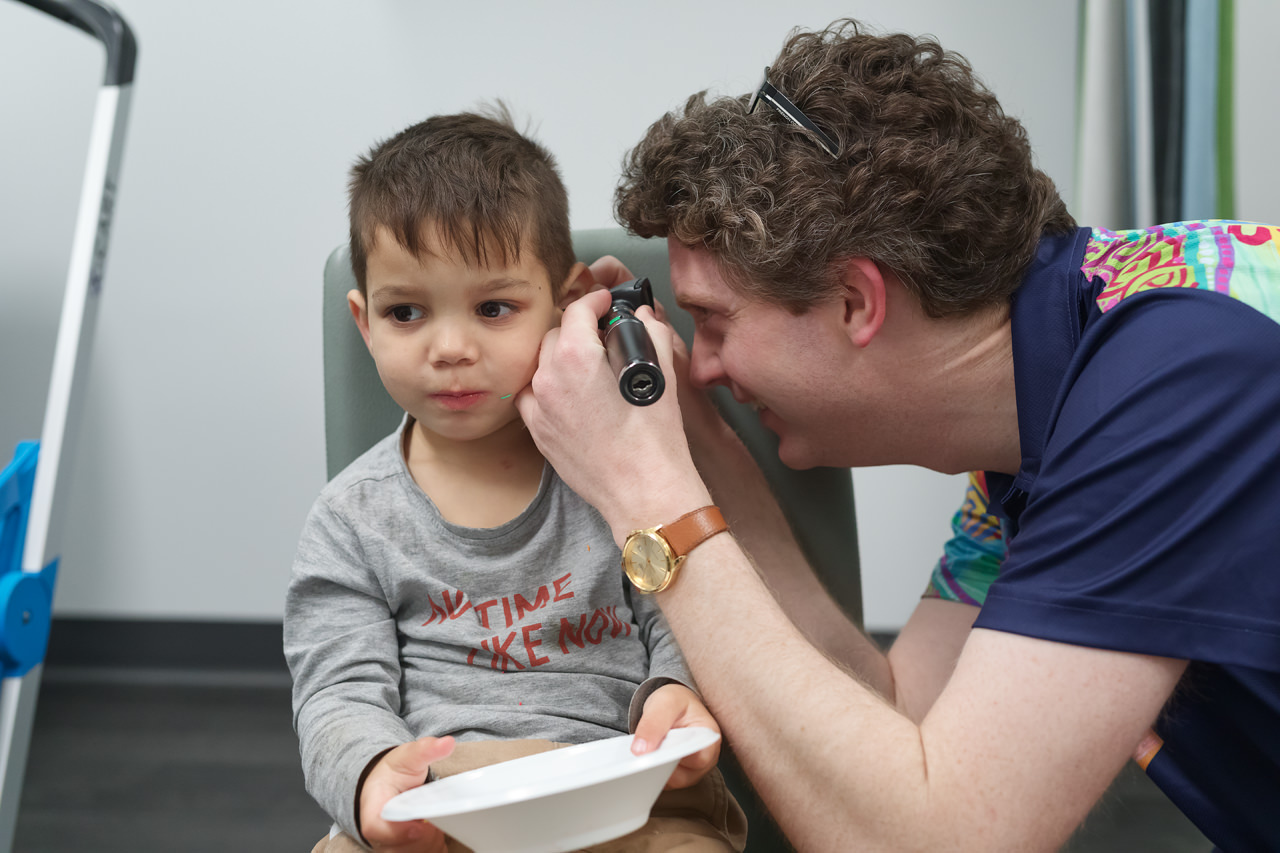
Chronic suppurative otitis media (CSOM), sometimes referred to as chronic otitis media (COM), is a chronic inflammation and often polymicrobial infection (involving more than one micro-organism) of the middle ear and mastoid cavity, characterised by ear discharge (otorrhoea) through a perforated tympanic membrane. The predominant symptoms of CSOM are ear discharge and hearing loss. Antibiotics are the most common treatment for CSOM, which act to kill or inhibit the growth of micro-organisms that may be responsible for the infection.
Emerging evidence suggests young children are at greater risk of COVID-19 infection than initially predicted. However, a comprehensive understanding of epidemiology of COVID-19 infection in young children under five years, the most at-risk age-group for respiratory infections, remain unclear. We conducted a systematic review and meta-analysis of epidemiological and clinical characteristics of COVID-19 infection in children under five years.
Parainfluenza viruses are significant contributors to childhood respiratory illness worldwide, although detailed epidemiological studies are lacking. Few recent Australian studies have investigated serotype-specific PIV epidemiology, and there is a paucity of southern hemisphere PIV reports. We report age-stratified PIV hospitalisation rates and a mathematical model of PIV seasonality and dynamics in Western Australia (WA).
STAMP RSV is a multifaceted program of work with the single focus to prepare the community for the uptake of new and emerging RSV immunisation strategies by providing the evidence to inform public health policy.