
Search
In the absence of an established gold standard, an understanding of the testing cycle from individual exposure to test outcome report is required to guide the correct interpretation of SARS-CoV-2 reverse transcriptase real-time polymerase chain reaction (RT-PCR) results and optimise the testing processes.
The aim of this study was to explore the relationship between emotional health and wellbeing and support needs of perinatal women during the COVID-19 pandemic, and to understand their experiences and need for support. This is a potentially vulnerable group and a critical developmental phase for women and infants.
Public health measures targeting coronavirus disease 2019 have potential to impact transmission of other respiratory viruses. We found 98.0% and 99.4% reductions in respiratory syncytial virus and influenza detections, respectively, in Western Australian children through winter 2020 despite schools reopening. Border closures have likely been important in limiting external introductions.
The emergence of the novel severe acute respiratory syndrome coronavirus 2 (SARS-CoV-2), sparking a global pandemic, has driven an imperative to quickly design and conduct treatment studies. We strongly propose a national, coordinated approach for randomised controlled trials (RCTs) for coronavirus disease 2019 (COVID-19), future pandemics and inter-pandemic periods in Australia.
Providing a safe and effective coronavirus disease 2019 (COVID‐19) vaccination program is required to mitigate against the current and future negative impacts on the health and wellbeing of all Australians from COVID‐19. An effective vaccination program is a key element required to facilitate economic recovery, safe movement throughout and beyond Australia and a return to the quality of life previously experienced.
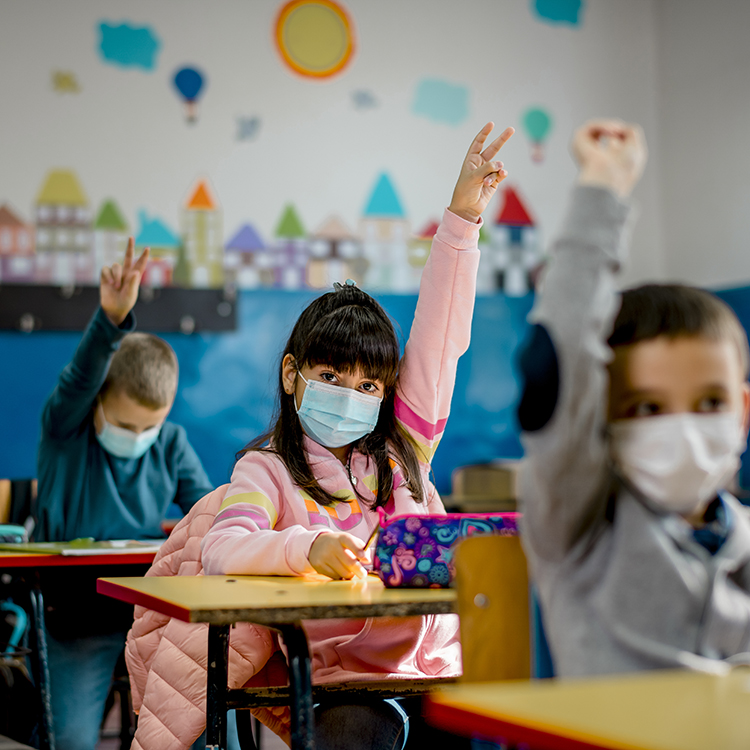
With the number of COVID-19 infections in Western Australia continuing to grow – including confirmed cases in children – The Kids Research Institute Australia understands that our community is growing increasingly worried.
The Kids Research Institute Australia answers all of your questions about vaccines and children
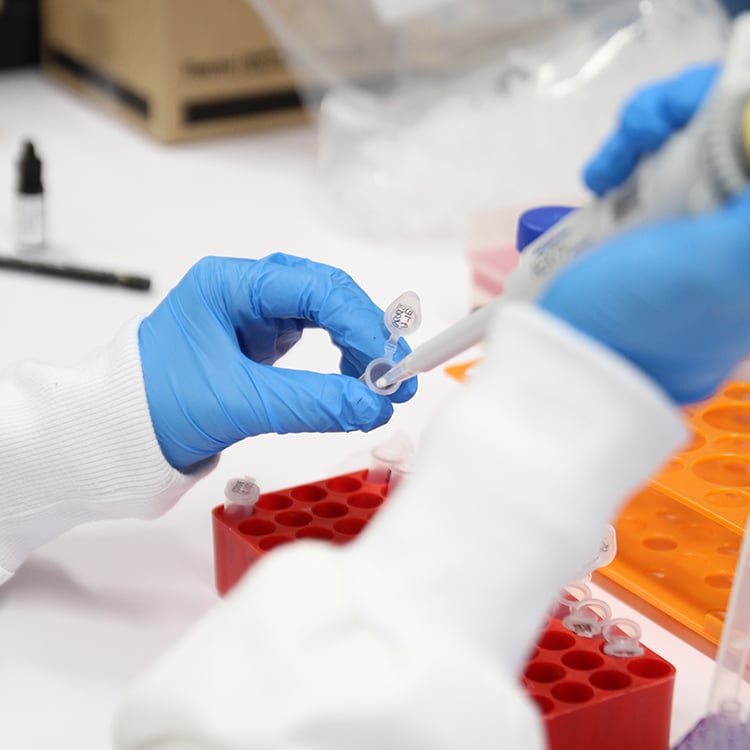
Thanks to 30 years of support from the WA community, The Kids Research Institute Australia is home to some of the world’s best researchers.
Research that maps and tracks.
Research save lives and contains the spread of COVID-19.