
Search
Researchers have identified key differences between cancers that respond to immunotherapy and those that do not.
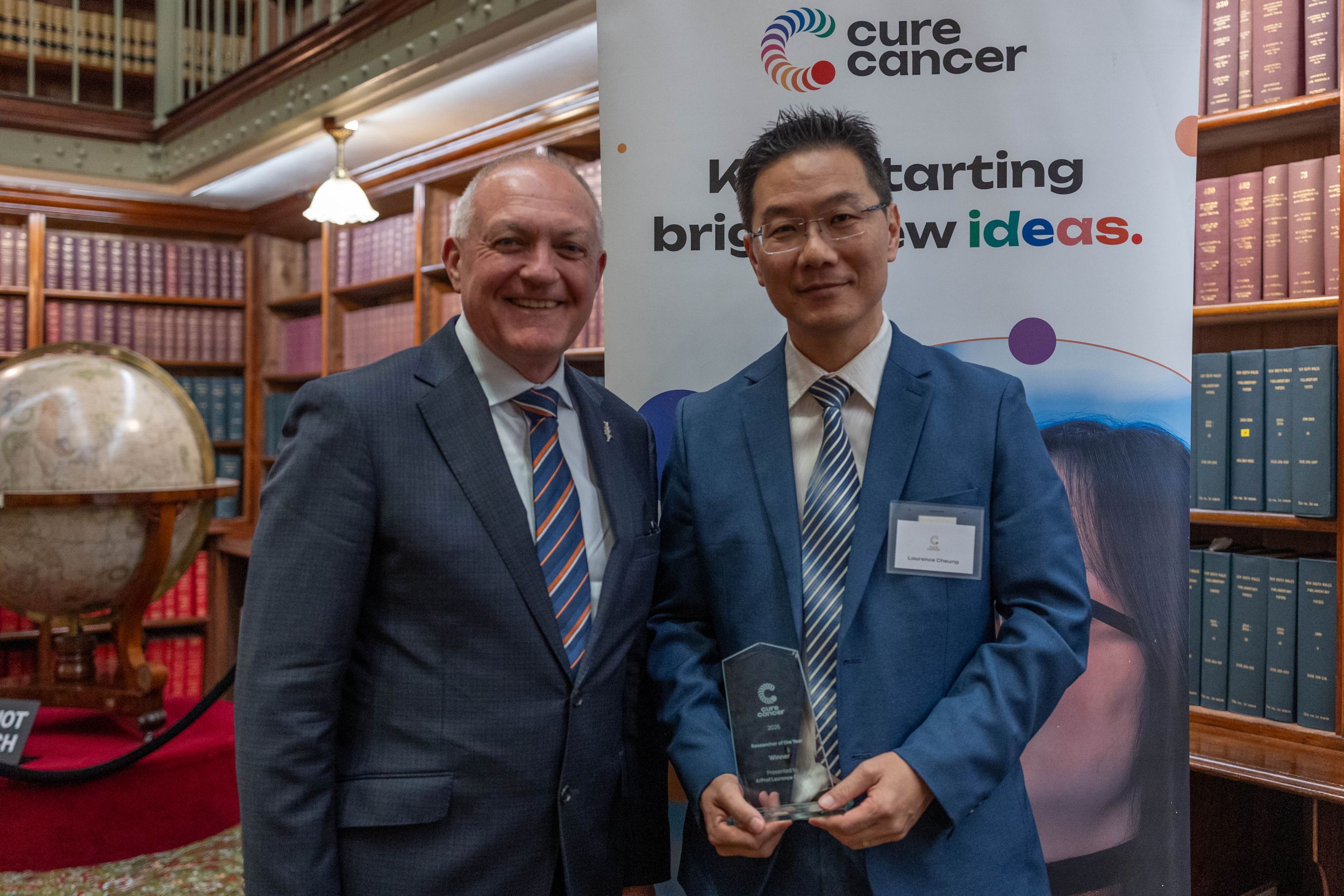
A leading WA cancer researcher has been named the Cure Cancer 2026 Researcher of the Year for his groundbreaking work in paediatric leukaemia.
Dr Jessica Buck, a researcher at The Kids Research Institute Australia Cancer Centre and a Kamilaroi woman, is on a mission to address the unique challenges faced by Aboriginal and Torres Strait Islander children with cancer.
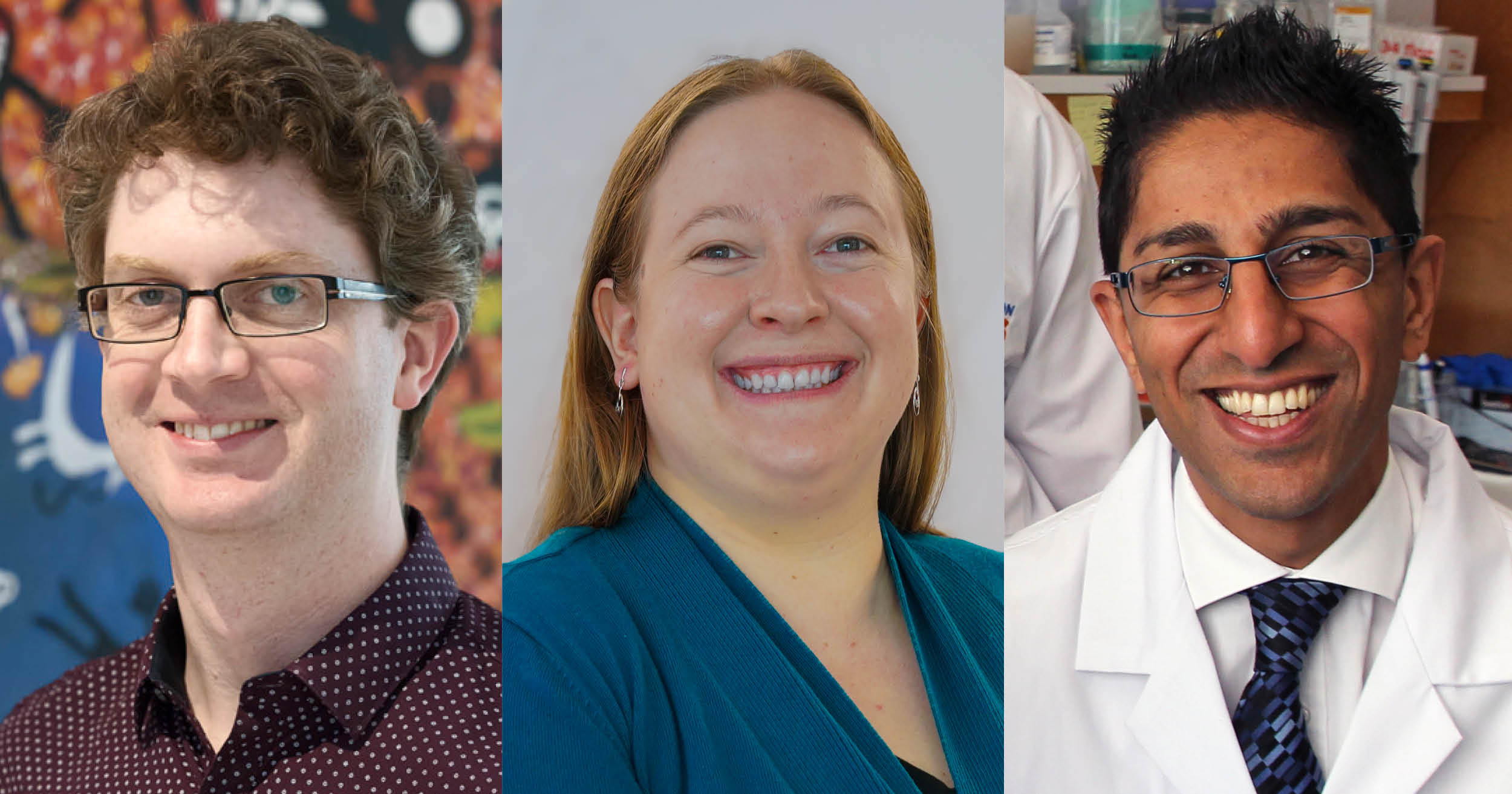
Congratulations to three outstanding The Kids Research Institute Australia researchers who have received second chance WA health funding designed to support researchers who have narrowly missed out on highly competitive national funding.
Deliberate exposure to ionizing radiation during medical investigations, such as chest CT, should be as low as reasonably practicable to reduce the risk of inducing cancer. Certain populations are at particular risk, such as those undergoing lung cancer screening and workers exposed to dust, and require multiple scans over time with high baseline risk.
Mesothelioma is a cancer derived from mesothelial cells, most commonly arising from the pleura or the peritoneum. Immune checkpoint therapy (ICT) has shown survival benefit for pleural mesothelioma, but little is known about the response in peritoneal mesothelioma. Most preclinical mesothelioma models involve subcutaneous cancer cell implantation, which lacks the relevant tumour microenvironment of peritoneal mesothelioma and does not resemble the clinical presentation.
Tertiary Lymphoid Structures (TLSs) are ectopic lymphoid aggregates that form within the tumor microenvironment (TME) and are increasingly recognized as potential prognostic biomarkers in various cancers. However, the spatial heterogeneity and prognostic value of TLSs in esophageal squamous cell carcinoma (ESCC) remain poorly defined. This study aimed to characterize the spatial distribution patterns of TLSs and tumor-infiltrating lymphocytes (TILs), and to establish a refined prognostic model for ESCC patients in both surgery-only and neoadjuvant therapy cohorts.
To assess the level of supportive care needs of caregivers of colorectal cancer patients and explore the related key influencing factors. Totaling 283 caregivers of patients with colorectal cancer were investigated in this study.
This study aimed to investigate the influence factors of financial toxicity experienced by colorectal cancer patients after surgery. The results will provide deep insights for developing effective intervention strategies to address this common issue of colorectal cancer care.
This study investigates the interaction between caregiver burden, mutuality, and family resilience in colorectal cancer management, and determines whether mutuality affects the effect of caregiver burden on family resilience.