
Search
Latest news & events at the Wesfarmers Centre of Vaccines & Infectious Diseases.
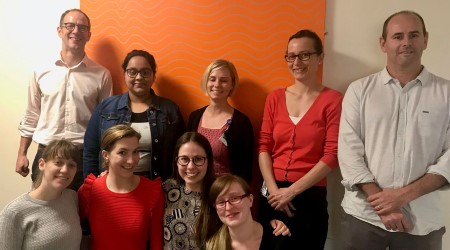
Clinical Professor Tobias Strunk, Dr Andrew Currie and their Neonatal Infection and Immunity Team have become the newest members of the Wesfarmers Centre of Vaccines and Infectious Diseases.
The production of functional antipneumococcal antibodies in otitisprone children demonstrates that they respond to the current pneumococcal conjugate vaccine (PCV)and are likely to respond to pneumolysin-based vaccines as effectively as healthy children.
Our findings are in line with a number of epidemiological studies which show a positive association between breastfeeding and OM in early childhood
Conserved vaccine candidate proteins from S.pneumoniae induce serum and salivary antibody responses in Aboriginal and non-Aboriginal children with history of OM
Identified dominant PCR-ribotypes common to geographically disparate Australian paediatric populations
Otitis media (OM) starts within weeks of birth in almost all Indigenous infants living in remote areas of the Northern Territory (NT).
Otitis media (OM) is a common disease in early childhood characterised by inflammation of the middle ear.
This study was the first to concurrently identify middle ear pathogens in both bacterial biofilm and intracellularly in the middle ear mucosa of children and to identify extensive DNA stranding in the MEF from children with AOM
Otitis media is very common in Aboriginal children in Western Australia and chronic ear disease causes major problems in speech and language development and education. Up until recently, most programmes dealing with the problem of OM have focused on clinical interventions rather than prevention. The Enhanced Prevention Working Group was established as part of the WA Child Ear Health Strategy (2017–2021). The Group has worked collaboratively to develop a set of recommendations for prevention of OM in Aboriginal children.