
Search

We welcome the Cook Labor Government’s plan to introduce proactive measures to improve the safety and welfare of children and young people within the State’s youth justice system.
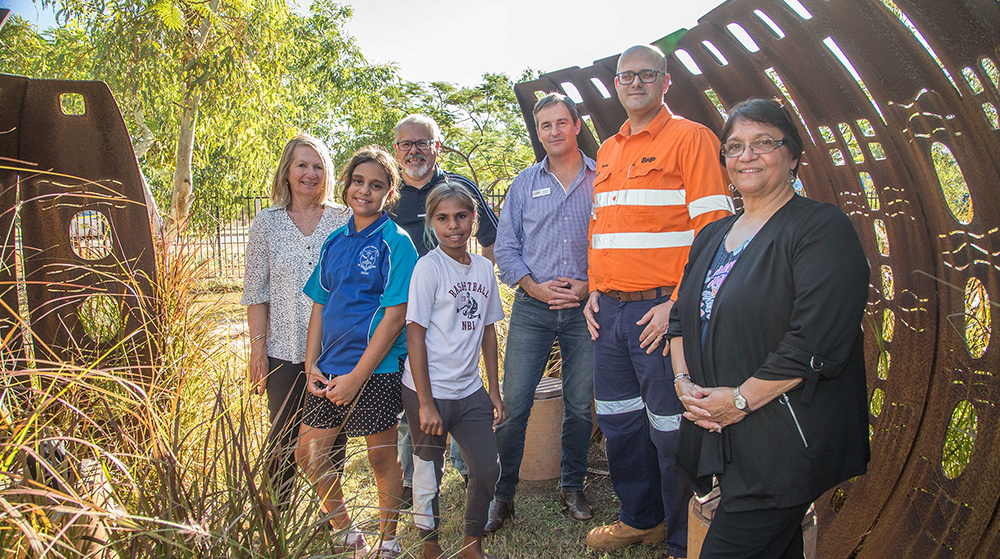
A five-year, $5 million research program funded by BHP and aimed at reducing the prevalence and impact of FASD in the Pilbara officially wrapped in South Hedland last night.
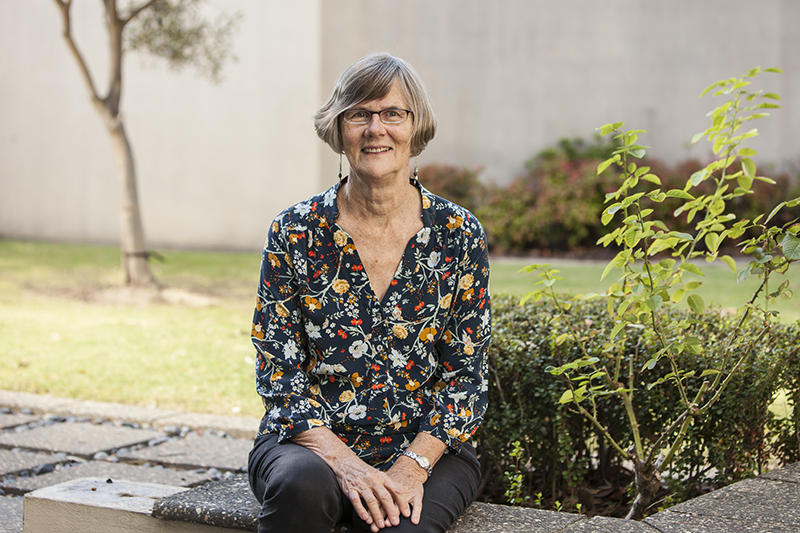
Hundreds of delegates from around Australia, Canada and New Zealand arrive in Perth this week to discuss the latest knowledge about fetal alcohol spectrum disorder (FASD) at the 2nd Australasian FASD Conference 2018.
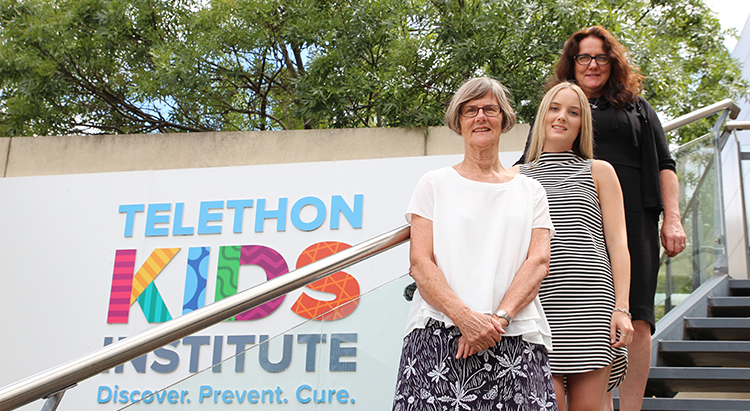
A ground-breaking The Kids Research Institute Australia study, which revealed that almost every young person being held in the Banksia Hill Detention Centre had some form of neuro-disability, has sparked concern and conversation across Australia and the world.
Glenn Martyn Pearson Symons BA (Education) PhD Candidate B.A. (Hons) PhD. Director of First Nations Strategy and Leadership; Head, First Nations
Investigators: Natalie Kippin This research aims to examine the communication abilities of young people sentenced to detention in Western Australia,
Amy Carol Finlay-Jones Bower BPsych(Hons), MPsych(Clinical), MHealthEcon, PhD (Clin Psych) MBBS MSc PhD FAFPHM DLSHTM FPHA Head, Early
Martyn Amy Symons Finlay-Jones B.A. (Hons) PhD. BPsych(Hons), MPsych(Clinical), MHealthEcon, PhD (Clin Psych) Honorary Research Associate Head, Early
Carol Melissa Bower O'Donnell MBBS MSc PhD FAFPHM DLSHTM FPHA BPsych (Hons), MPsych, GradDip Ed, PhD Honorary Emeritus Fellow Honorary Research
A better understanding of the endocannabinoid system and a relaxation in regulatory control of cannabis globally has increased interest in the medicinal use of cannabinoid-based products (CBP). We provide a systematic review of the rationale and current clinical trial evidence for CBP in the treatment of neuropsychiatric and neurodevelopmental disorders in children and adolescents.