Search
Bronchiectasis is a chronic lung disease that impairs quality of life and reduces life expectancy.
This prospective, longitudinal cohort study will examine airway sputum, lung function, and clinical surveillance data of children with bronchiectasis attending Perth Children’s Hospital.
Chronic, low-intensity air pollution exposure has been consistently associated with reduced lung function throughout childhood. However, there is limited research regarding the implications of acute, high-intensity air pollution exposure. We aimed to determine whether there were any associations between early life exposure to such an episode and lung growth trajectories.
Improvements in neonatal critical care have resulted in more people than ever reaching adulthood after being born prematurely. At the same time, it is becoming clearer that preterm birth can increase the risk of respiratory disease throughout a person’s lifetime. Awareness that a patient was born preterm can enable early specialist assessment and intervention when there is any concern about lung health.
A lung function study carried out by Dr Shannon Simpson provided the most comprehensive follow-up of very pre-term children of any study so far carried out on the lung health of this vulnerable group.
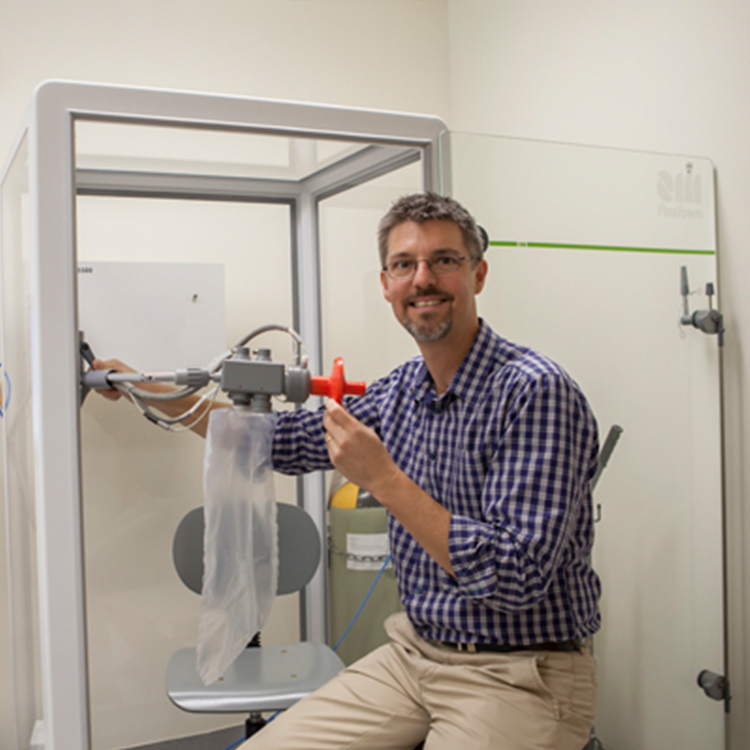
Respiratory function impacts on musical expression for wind/brass (W/B) musicians. Investigation of musicians' respiratory health to date has rarely...
In children, the ratio of forced expiratory volume in 1 s (FEV₁) to forced vital capacity (FVC) is reportedly constant or falls linearly with age...
Playing a wind or brass (W/B) instrument is considered a strenuous activity for the respiratory system.
The European Respiratory Society Oscillometry Taskforce identified that clinical correlates of bronchodilator responses are needed to advance oscillometry in clinical practice. The understanding of bronchodilator-induced oscillometry changes in preterm lung disease is poor. Here we describe a comparison of bronchodilator assessments performed using oscillometry and spirometry in a population born very preterm and explore the relationship between bronchodilator-induced changes in respiratory function and clinical outcomes.
The long-term cardiopulmonary outcomes following preterm birth during the surfactant era remain unclear. Respiratory symptoms, particularly exertional symptoms, are common in preterm children. Therefore, cardiopulmonary exercise testing may provide insights into the pathophysiology driving exertional respiratory symptoms in those born preterm. This review aims to outline the current knowledge of cardiopulmonary exercise testing in the assessment of children born preterm in the surfactant era.