
Search
Young children, particularly those younger than six (6) months are at increased riskof severe influenza infection.
Influenza remains an important cause of pediatric morbidity and mortality. Immunisation is critical to prevent hospitalisation and severe disease. The COVID-19 pandemic had far-reaching effects on influenza epidemiology and vaccine use.
There is a common mischaracterisation that autistic individuals have reduced or absent empathy. Measurement issues may have influenced existing findings on the relationships between autism and empathy, and the structure of the empathy construct in autism remains unclear.
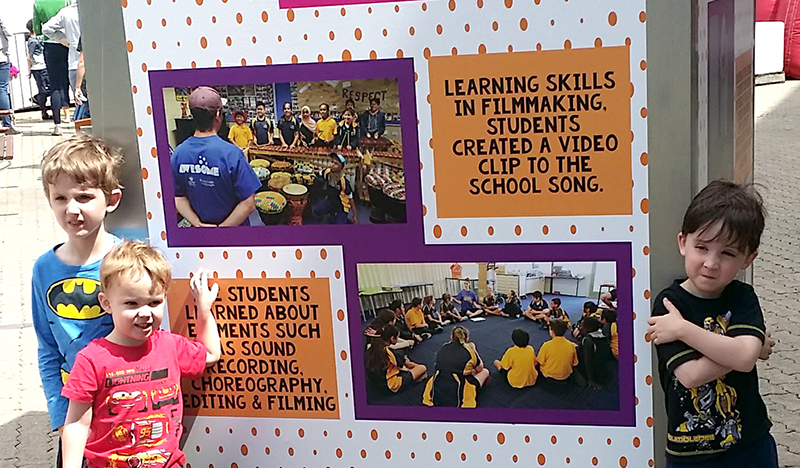
For kids on the autism spectrum, it’s not always easy to enjoy art without becoming overwhelmed, overstimulated or anxious.
Child health experts are concerned by a significant increase in the number of Australian children requiring learning support at school.

Clinicians across Australia are looking forward to the release of the country’s first national guidelines for the diagnosis of autism.
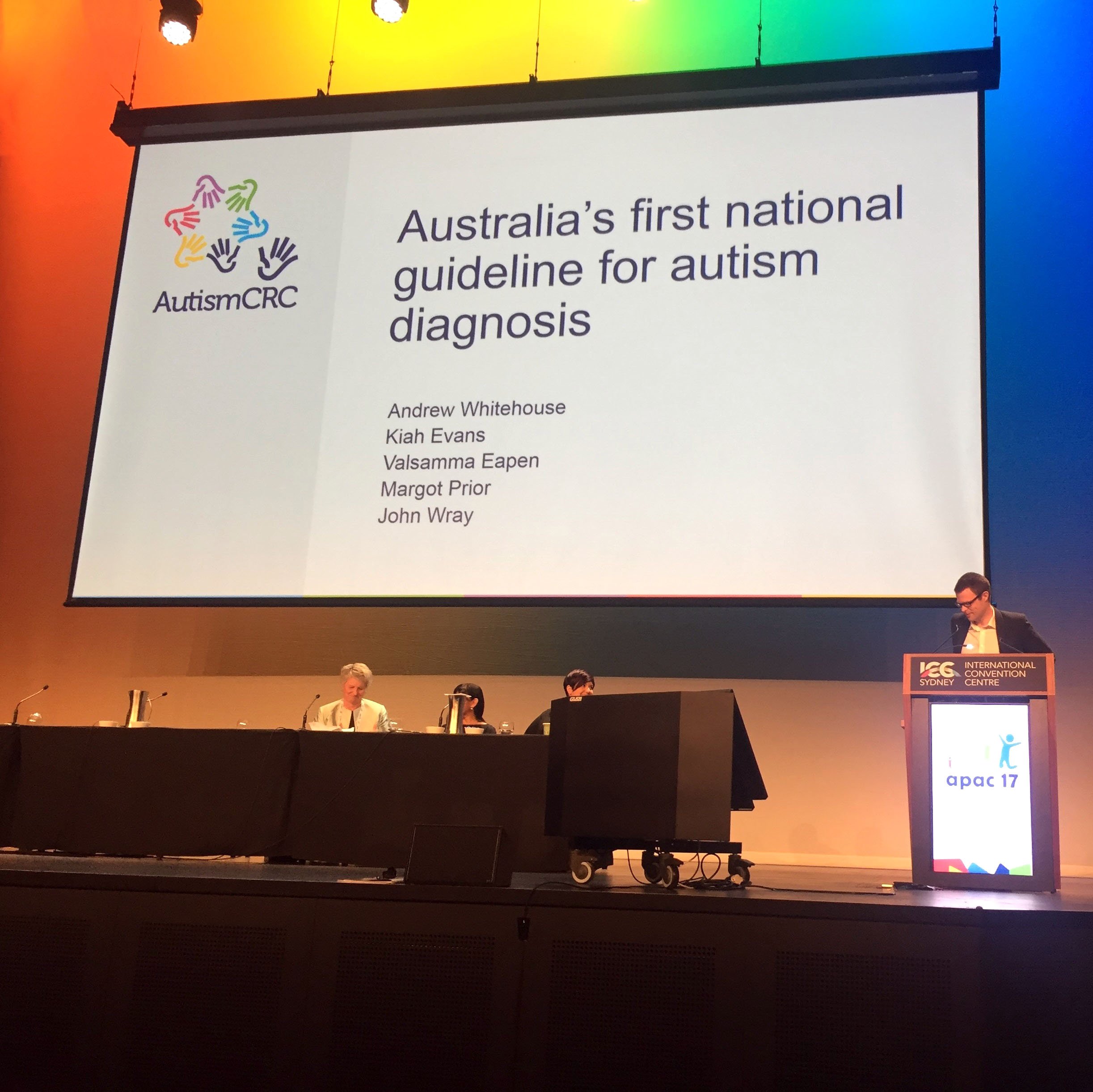
Australia’s first draft national guideline for autism diagnosis has today been released for public consultation.
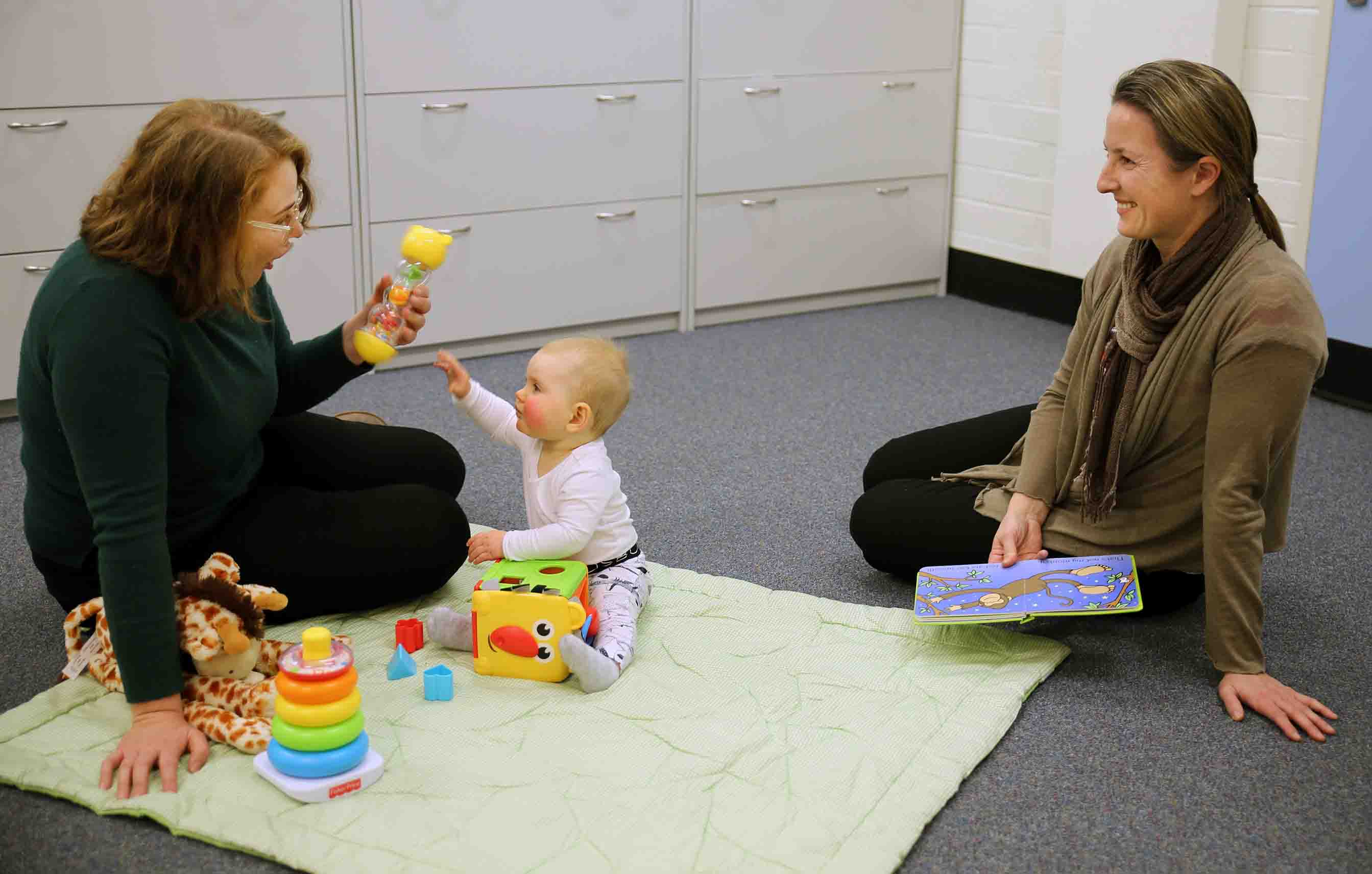
The first rigorous trial of a pre-emptive behavioural intervention for babies showing early signs of autism has found the therapy can improve early language development.
New research links poor language to lack of Vitamin D in womb.
Hormone levels in the womb may determine how masculine or feminine your facial features are as an adult, The Kids Research Institute Australia researchers have found.