
Search
The implications of climate change for malaria eradication this century remain poorly resolved. Many studies focus on parasite and vector ecology in isolation, neglecting the interactions between climate, malaria control and the socioeconomic environment, including disruption from extreme weather. Here we integrate 25 years of African data on climate, malaria burden and control, socioeconomic factors, and extreme weather.
MECP2 duplication syndrome (MDS) is an ultrarare, X-linked neurodevelopmental disorder that is poorly understood in terms of its natural history and phenotypic variability. There is limited information on how individuals with MDS acquire, retain or lose fundamental functional skills (gross motor, purposeful hand function and communication) - that of which this study aimed to better characterise in the largest case series to date.
Patients with congenital heart disease (CHD) are identified in 1% of live births. Improved surgical intervention means many patients now survive to adulthood, the corollary of which is increased mortality in the over-65-year-old congenital heart disease population. In the clinic, genetic sequencing increasingly identifies novel genetic variants in genes related to CHD.
The aim of this study was to identify and prioritise the ten most important unanswered themes in rare disease research in Australia by integrating perspectives of key stakeholders, including people living with rare disease, parents/carers, health professionals, and rare disease community advocates.
Lesbian, Gay, Bisexual, Transgender, Intersex, Queer, Asexual/Aromantic (LGBTIQA+) people and other individuals with diverse sexual orientation, sex and/or gender identity experience intimate partner violence (IPV) at higher rates than non-LGBTIQA+ people but often receive inconsistent culturally competent healthcare, which deters help-seeking.
Repetitive Negative Thinking (RNT) during pregnancy is a key risk factor for psychopathology in the perinatal period. However, the cognitive mechanisms underlying prenatal RNT remain poorly understood. Recent research has suggested that a tendency to volitionally seek negative rather than positive information (i.e., biased information seeking) may contribute to the formation of more negative prenatal expectations, which in turn predict elevated prenatal RNT.
Monkeypox virus (MPXV) has been linked to vertical transmission, but systematic data are scarce. We aimed to describe the sociodemographic, clinical, and virological characteristics and assess the frequency and determinants of adverse outcomes in pregnant women with MPXV clade I infection.
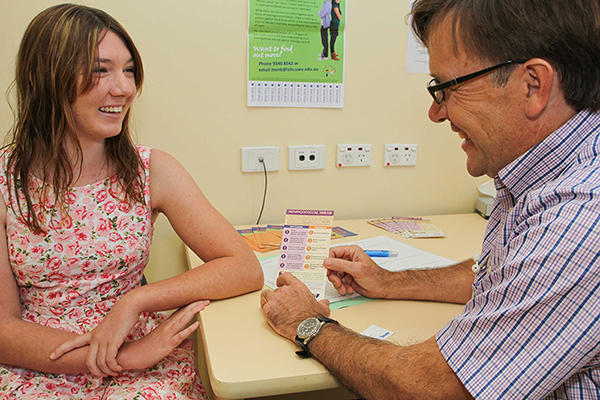
Meningococcal disease is caused by the bacteria Neisseria meningitidis, or 'meningococcus'. It is an uncommon but very serious disease that can result in death if not recognised and treated quickly.
While parenting self-efficacy and broader autism phenotype (BAP) have been linked to caregiver depression, anxiety and stress at specific points in time, their influence on longer-term mental health trajectories remains unknown, especially for caregivers who participate in support programs for their infants with very-early autistic features.
When doctors working within healthcare systems under pressure perpetrate, witness, or fail to prevent acts that contradict their own moral or ethical values and expectations, it can lead to moral distress or moral injury. This can result from active behaviour and from purposeful inactive behaviour. It is a growing and critical concern, representing significant distress that extends far beyond traditional concepts such as burnout. This article discusses moral injury in clinical and academic medicine and actively gives suggestions to prevent and address moral injury.