Skip to content
The Kids Research Institute Australia logo
Donate

Search

Wait a Minute or More (WAMM): a pragmatic stepped wedge cluster randomised implementation trial assessing the effect of a quality improvement programme

Delayed cord clamping (DCC) is an evidence-based intervention that reduces mortality, anaemia and disability in infants born <37 weeks' gestation who do not require immediate resuscitation. However, it is neither reliably recorded nor routinely implemented in Australia. The Wait a Minute or More study aims to reduce this gap between the evidence and practice by integrating timely sharing of cord clamping data with Evidence-based Practice for Improving Quality methods to increase the proportion of preterm infants receiving DCC for 60s or longer (DCC60).

The definition of asthma remission in children: A scoping review by the WAO Paediatric Asthma Committee

Asthma remission has emerged as a potential therapeutic goal. However, definitions of remission have primarily focused on adult populations, with limited consensus on how remission should be defined in children.

Psychological wellbeing outcomes across genders in childhood and adolescence aged 8–18 years: a population-level perspective

This study aimed to examine the difference in levels of psychological wellbeing outcomes of binary and non-binary transgender and cisgender students aged 8–18 years in South Australia using population-level data.

Antigen reactivity defines tissue-resident memory and exhausted T cells in tumors

CD8+ T cells are an important weapon in the therapeutic armamentarium against cancer. While CD8+CD103+ T cells with a tissue-resident memory T (TRM) cell phenotype are associated with favorable prognoses, the tumor microenvironment also contains dysfunctional exhausted T (TEX) cells that exhibit a variety of TRM-like features.

Understanding parental decisions to decline or delay infant RSV immunisation, nirsevimab, in Western Australia in 2024

In 2024, the government of Western Australia introduced 'nirsevimab', a monoclonal antibody offering protection from respiratory syncytial virus (RSV), for eligible infants. This study explores why parents of infants who were eligible to receive nirsevimab opted to decline or delay the immunisation.

Abdominal Imaging at Initial Diagnosis and Following Relapse in Children With Acute Lymphoblastic Leukaemia

Acute lymphoblastic leukaemia (ALL) is the most common paediatric malignancy and remains one of the most common causes of cancer-related death in children and adolescents. It is characterised by the proliferation of immature lymphoid cells capable of infiltrating bone marrow, blood and extramedullary sites. Five-year overall survival rates exceed 90% with current multidrug chemotherapeutic regimens. This manuscript reviews the abdominal imaging features of leukaemic infiltration in children with ALL at the time of initial diagnosis and following relapse.

Safety, tolerability, and pharmacokinetics of a 2 g subcutaneous dose of ceftriaxone as an alternative to intravenous delivery

Subcutaneous delivery of antibiotics is a practical alternative to intravenous administration. Ceftriaxone is commonly used for a variety of infections with limited data on the safety and pharmacokinetics of a 2 g subcutaneous dose. This was a prospective, self-controlled cross-over study in 20 stable inpatients receiving ceftriaxone for their infection. Following an intravenous dose, participants received a single dose of 2 g subcutaneous ceftriaxone, in 50 mL normal saline via gravity feed.

Conservation of gene expression patterns between the amniotic and nasal epithelium at birth

Amniotic epithelial cells are fetal-derived stem cells, capable of differentiating into all three germ layers, including mature epithelial cell populations. Here, we hypothesised that the amniotic epithelium might serve as a surrogate tissue source for investigating transcriptional profiles in the respiratory epithelium of newborns.

The role of Aboriginal leadership in community health programmes

There remains a glaring disparity between the health of an Australian Aboriginal child when compared with that of a non-Aboriginal Australian child. In recent years, studies have advocated for the adoption of culturally sensitive health care provision if significant improvements are to be made in the health of Australian Aboriginal children.

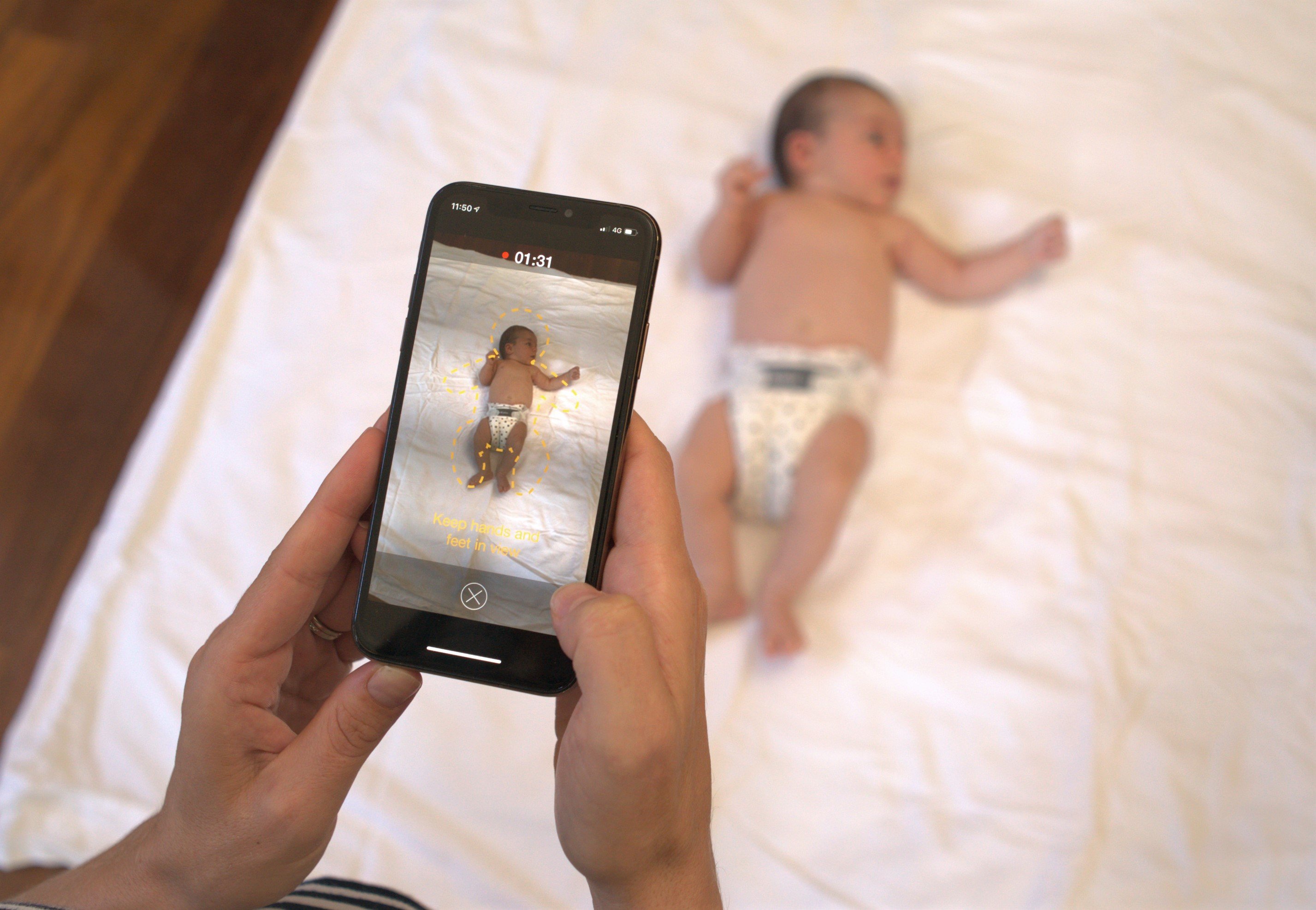
General Movement Optimality Score-Revised (GMOS-R) with General Population-Based Percentile Ranks

To describe writhing General Movements Assessment (GMA) classification and General Movement Optimality Score-Revised (GMOS-R) profiles in the general population; to explore relationships between GMOS-R scores and GMA classification, age of assessment and infant socio-demographic factors; and to establish the inter-rater reproducibility of writhing age GMA classification and GMOS-R.