
Search
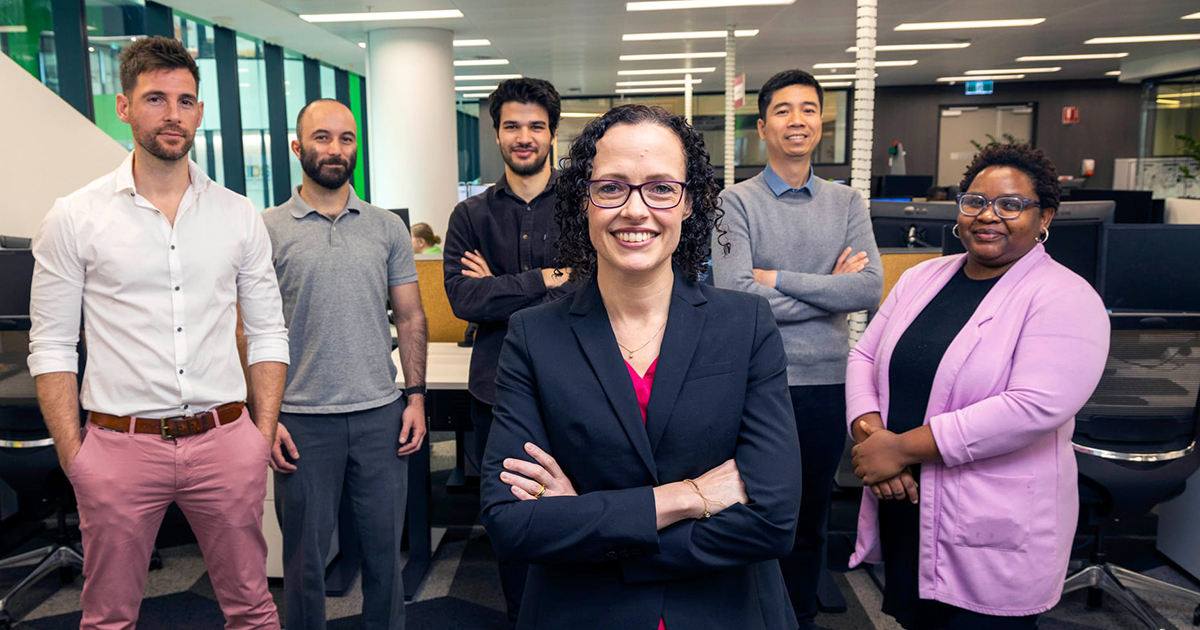
Research to eliminate one of the world’s deadliest diseases – malaria – will be accelerated thanks to a USD $4.7 million grant from the Gates Foundation for scientists at The Kids Research Institute Australia and The University of Western Australia (UWA).
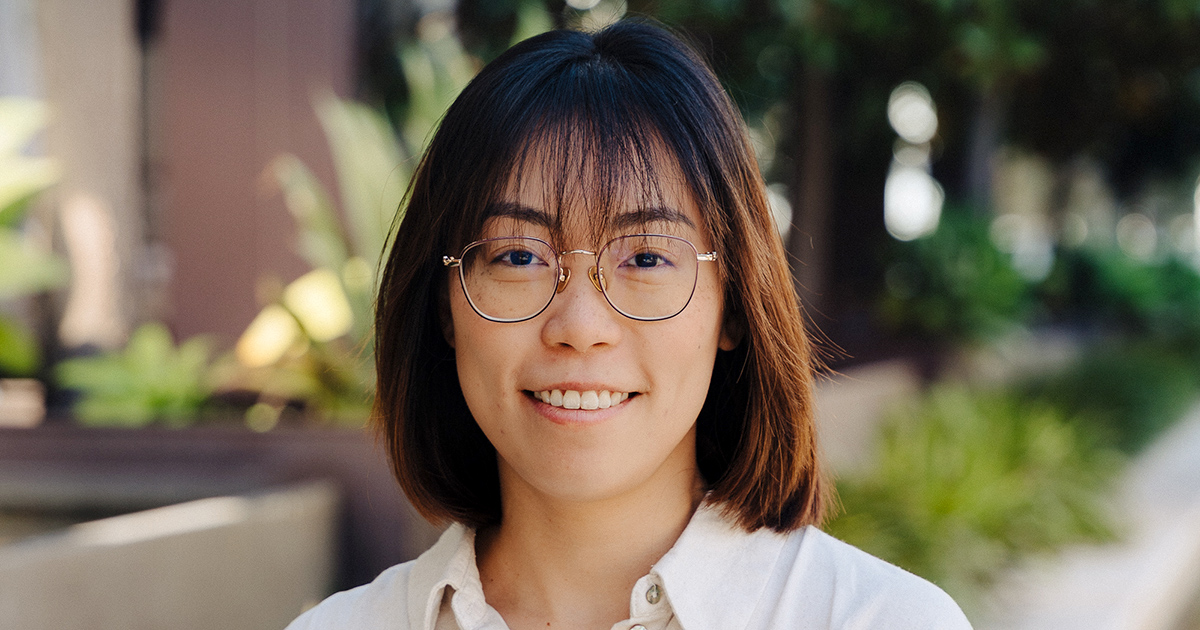
Dr Renee Ng, a microbiologist specialising in bacteriophage therapy – an alternative to antibiotics to fight antimicrobial resistance – will travel to the world’s premier conference on viruses, bringing new ideas, connections and expertise back to Perth.
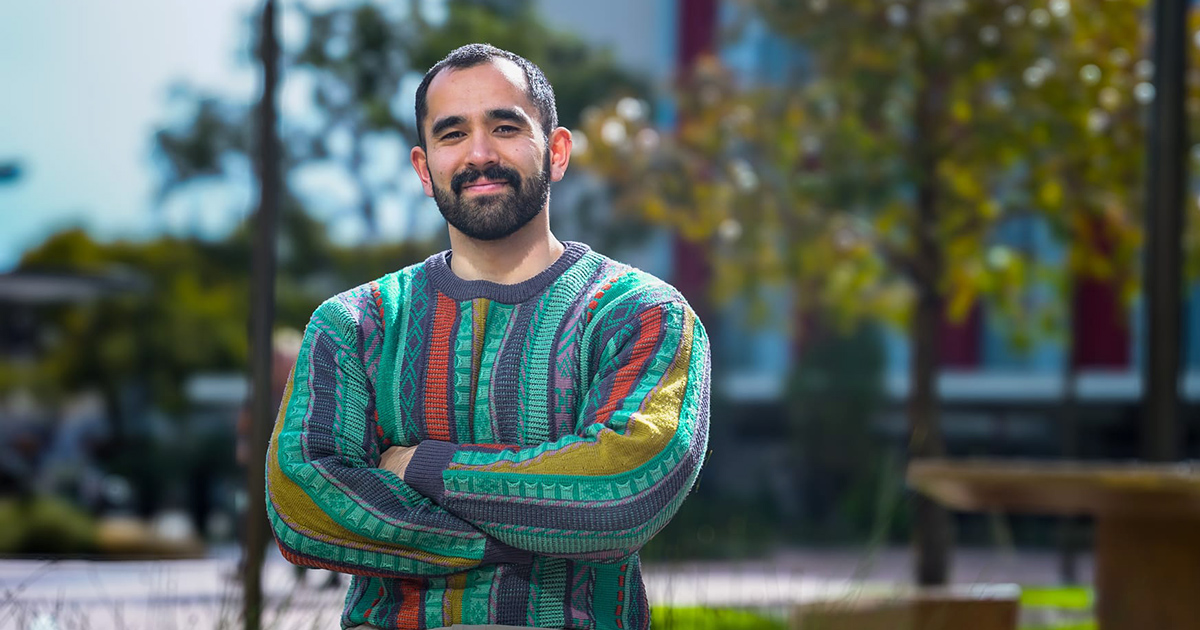
Dr Vincent Mancini, a Senior Research Fellow at The Kids Research Institute Australia, has been awarded a prestigious three-year Fellowship to develop and implement an intervention to support the welfare of regional WA fathers and families in the neonatal intensive care unit (NICU).
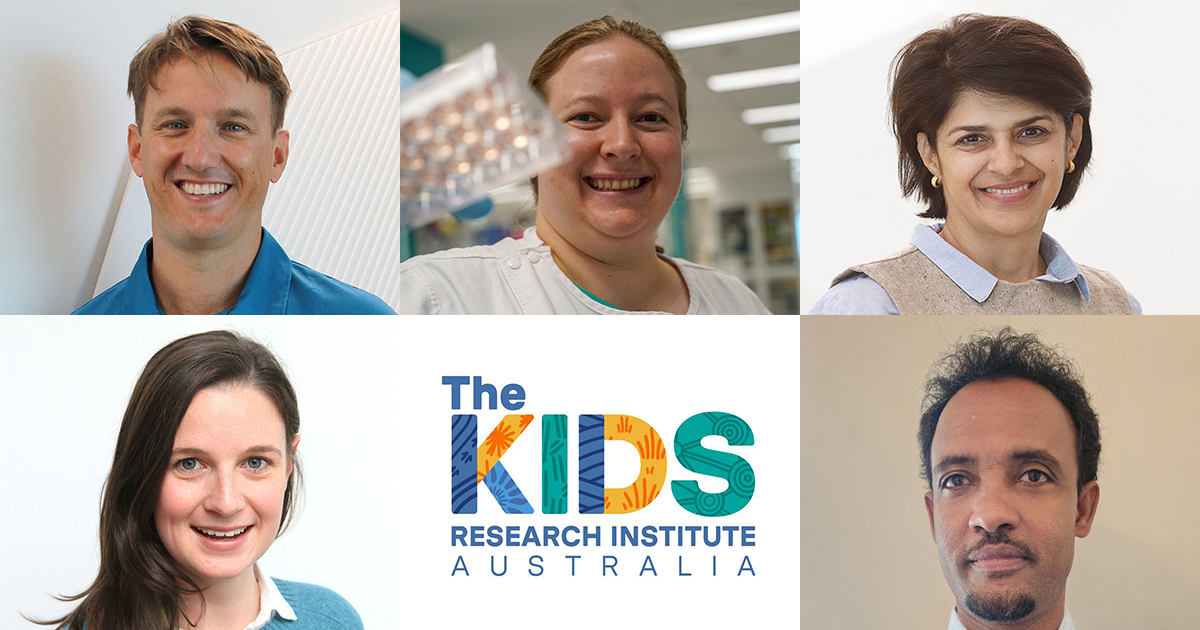
Five researchers from The Kids Research Institute Australia have secured vital funding support through the WA Near Miss Awards, allowing them to continue innovative health projects that narrowly missed out on national funding.
Despite impacting mankind since ancient times, tuberculosis (TB) persists as the leading cause of death from an infectious disease. TB can remain latent and further research is required to understand activation risk and the risks vs. the benefits of treating latent infection. Drug resistance poses an escalating threat to treating active disease and achieving cure.
Hope is well recognised as a positive protective factor for mental health, improved coping responses to adverse childhood events and better educational outcomes. Hope is composed of synergistic constituents – agency and pathway. A retrospective chart review was conducted of 53 justice-involved youths (10−17 years old) who underwent Fetal Alcohol Spectrum Disorder (FASD) diagnostic assessments with Patches in Western Australia between 2019 and 2020.
Glioblastoma, a lethal high-grade glioma, has not seen improvements in clinical outcomes in nearly 30 years. Ion channels are increasingly associated with tumorigenesis, and there are hundreds of brain-penetrant drugs that inhibit ion channels, representing an untapped therapeutic resource. The aim of this exploratory drug study was to screen an ion channel drug library against patient-derived glioblastoma cells to identify new treatments for brain cancer.
Recent interest in the diverse ecosystem of bacteria, fungi and viruses that make up the skin microbiome has led to numerous studies investigating the skin microbiome in healthy skin and in dermatological conditions. However, skin microbiome analysis is challenging due to relatively low numbers of skin microorganisms compared to mucosal sites, such as the respiratory or gastrointestinal tracts. Microbiome results are heavily influenced by sampling methods.
Despite increasing urbanisation, little is known about skin health for urban-living Aboriginal children and young people (CYP, aged <18 years). This study aimed to investigate the primary care burden and clinical characteristics of skin conditions in this cohort.
Tobias Strunk MD, PhD, FRACP Head, Neonatal Health tobias.strunk@thekids.org.au Head, Neonatal Health Clinical Professor Tobias Strunk is a