Search
Research
The Australian New Zealand Consortium in Children, Adolescents, and Young Adults Oncofertility action planInternational and national oncofertility networks, including the US-led Oncofertility Consortium, FertiProtekt, and the Danish Network, have played pivotal roles in advancing the discipline of oncofertility over the last decade. Many other countries lack a shared approach to pediatric oncofertility health service delivery.
Research
The Australian Traumatic Brain Injury Initiative: Single Data Dictionary to Predict Outcome for People With Moderate-Severe Traumatic Brain InjuryIn this series of eight articles, the Australian Traumatic Brain Injury Initiative consortium describes the Australian approach used to select the common data elements collected acutely that have been shown to predict outcome following moderate-severe traumatic brain injury across the lifespan.
Research
Control of mitophagy initiation and progression by the TBK1 adaptors NAP1 and SINTBADMitophagy preserves overall mitochondrial fitness by selectively targeting damaged mitochondria for degradation. The regulatory mechanisms that prevent PTEN-induced putative kinase 1 (PINK1) and E3 ubiquitin ligase Parkin (PINK1/Parkin)-dependent mitophagy and other selective autophagy pathways from overreacting while ensuring swift progression once initiated are largely elusive.
Research
Wellbeing and distress in young people with chronic conditions: how do positive psychology variables relate to mental health outcomes?The aim of this study was to determine the unique and shared contributions of various positive psychology constructs (gratitude, optimism, hope, self-compassion, self-efficacy, and emotion regulation) to wellbeing and distress outcomes in young people living with a diverse range of chronic health conditions.
Research
Recurrent otitis media and behaviour problems in middle childhood: A longitudinal cohort studyTo investigate the long-term effects of early-life recurrent otitis media (OM) and subsequent behavioural problems in children at the age of 10 years.
Research
Towards responsive policy and actions to address non-communicable disease risks amongst adolescents in Indonesia: insights from key stakeholdersNon-communicable diseases (NCDs) such as cancer, diabetes, heart disease, mental disorder and chronic lung conditions are the leading cause of death and disability in Indonesia. Adolescence is when risks for NCDs emerge and it is also an important life stage for intervention, yet young people are often at the margins of NCD policy and actions.
Research
Trends in penicillin dispensing during an acute rheumatic fever prevention programmeAcute rheumatic fever (ARF), a serious inflammatory condition, often leads to rheumatic heart disease. Between 2011 and 2016, Aotearoa New Zealand implemented a rheumatic fever prevention programme to reduce high rates of ARF through improved community access to timely diagnosis and early treatment of group A streptococcal pharyngitis, which has been shown to prevent subsequent ARF.
Research
The 8th International RASopathies Symposium: Expanding research and care practice through global collaboration and advocacyGermline pathogenic variants in the RAS/mitogen-activated protein kinase (MAPK) signaling pathway are the molecular cause of RASopathies, a group of clinically overlapping genetic syndromes.
Research
Hospital and emergency department discharge against medical advice in Western Australian Aboriginal children aged 0–4 years from 2002 to 2018: A cohort studyDischarge against medical advice (DAMA) is a priority issue for the health system. Little is known about the factors associated with DAMA for Aboriginal and/or Torres Strait Islander (Aboriginal) children in Australia.
Research
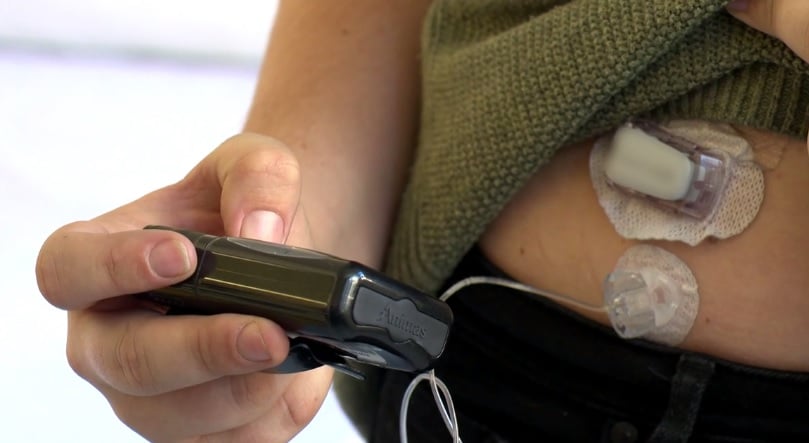
Developing type 1 diabetes resources: a qualitative study to identify resources needed to upskill and support community sport coachesCommunity sport coaches in Western Australia lack an understanding, the confidence, and knowledge in supporting young people with Type 1 diabetes (T1D). This study aims to identify what T1D educational resources are required to upskill coaches in Western Australia.