
Search
There is a paucity of data on antimicrobial resistance (AMR) in Malawi. Here we present a study of AMR of extended-spectrum β-lactamases-producing Enterobacterales (ESBL-E) isolated from hospital and community settings in Blantyre, Malawi.
Britta Regli-von Ungern-Sternberg AM FAHMS MD, PhD, DEAA, FANZA Chair of Paediatric anaesthesia, University of Western Australia; Consultant
To advance active transport, robust policy-relevant evidence is needed to understand how to change behaviour and to support decision-making by policy makers and practitioners. Currently, however, priority research questions that are most critical for advancing active transport have not been identified.
Addressing disparities in arthritis care is an important yet unmet health need for Aboriginal and Torres Strait Islander people in Australia (respectfully Aboriginal people herewith). Despite the significant prevalence and burden of arthritis within Aboriginal communities, access to care for arthritis is low.
Immunotherapy has revolutionised the treatment of cancers by exploiting the immune system to eliminate tumour cells. Despite the impressive response in a proportion of patients, clinical benefit has been limited thus far.
Numerous arguments strongly support the practice of open science, which offers several societal and individual benefits. For individual researchers, sharing research artifacts such as data can increase trust and transparency, improve the reproducibility of one's own work, and catalyze new collaborations.
Current technologies to understand which genes are turned on or off only work on large amounts of biological samples. As a consequence all measurements we receive represent averages across multiple cell types present in the sample. The situation is comparable to studying the contents of a bowl of fr
The Kids Research Institute Australia congratulates Prof Gareth Baynam and Dr Timo Lassmann on their grant over three years from the McCusker Charitable Foundation.
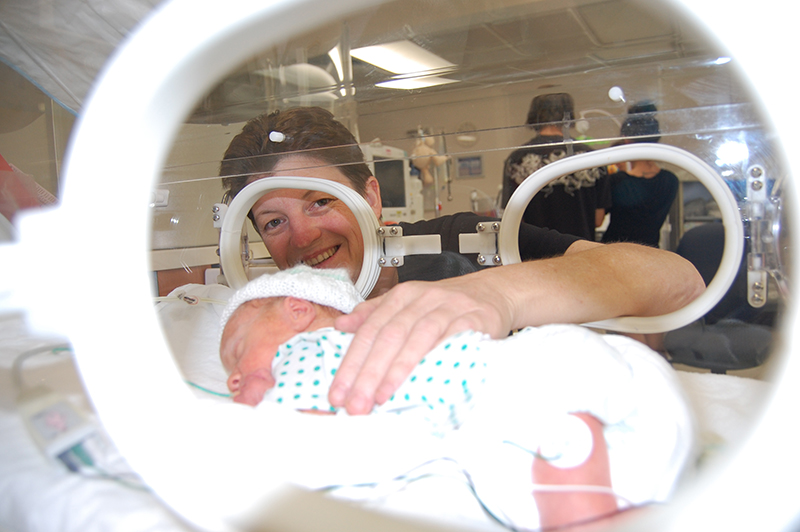
The Chronobiology team works to understand the factors that contribute to poor lung and heart function in newborn infants and find ways to prevent heart and lung disease.

The Foundations of Lung Disease Team is focused on improving the diagnosis, treatment, and lifelong care of childhood lung disease.