Skip to content
The Kids Research Institute Australia logo
Donate

No results yet

Search

Research

Projected health impact of post-discharge malaria chemoprevention among children with severe malarial anaemia in Africa

Children recovering from severe malarial anaemia (SMA) remain at high risk of readmission and death after discharge from hospital. However, a recent trial found that post-discharge malaria chemoprevention (PDMC) with dihydroartemisinin-piperaquine reduces this risk. We developed a mathematical model describing the daily incidence of uncomplicated and severe malaria requiring readmission among 0-5-year old children after hospitalised SMA.

Research

Murru Minya-informing the development of practical recommendations to support ethical conduct in Aboriginal and Torres Strait Islander health research: a protocol for a national mixed-methods study

Conducting ethical and high-quality health research is crucial for informing public health policy and service delivery to reduce the high and inequitable burden of disease experienced by Aboriginal and Torres Strait Islander people.

Research

ADR3, a next generation i-body to human RANKL, inhibits osteoclast formation and bone resorption

Osteoporosis is a chronic skeletal condition characterized by low bone mass and deteriorated microarchitecture of bone tissue and puts tens of millions of people at high risk of fractures. New therapeutic agents like i-bodies, a class of next-generation single-domain antibodies, are needed to overcome some limitations of conventional treatments.

Research

How does the school built environment impact students’ bullying behaviour? A scoping review

School bullying is a public health concern affecting the physical and mental health of children and young people. While school-based interventions to prevent bullying have been developed internationally, the effectiveness of many interventions has been mixed and modest.

Research

‘It’s All About Context’: Building School Capacity to Implement a Whole-School Approach to Bullying

Student bullying behaviours are a significant social issue in schools worldwide. Whilst school staff have access to quality bullying prevention interventions, schools can face significant challenges implementing the whole-school approach required to address the complexity of these behaviours.

Research

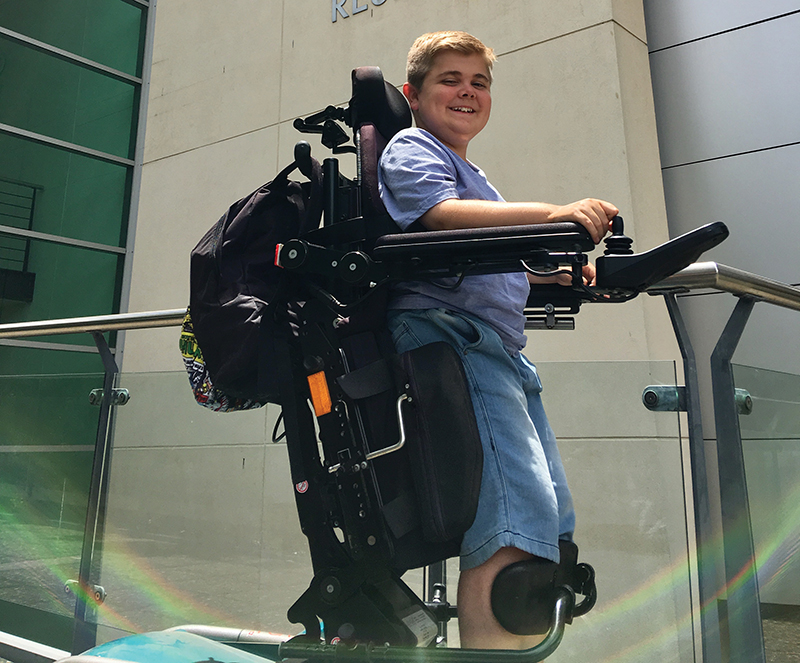
Factors influencing participation in home, school, and community settings by children and adolescents with neuromuscular disorders: A qualitative descriptive study

This study explored how children and adolescents with a neuromuscular disorder (NMD) and their parents experienced barriers and enablers to the child's participation.

Research

Pre-and Postnatal Vitamin D Status and Allergy Outcomes in Early Childhood

The dramatic increase in the prevalence of allergic disease in recent decades reflects environmental and behavioural changes that have altered patterns of early immune development. The very early onset of allergic diseases points to the specific vulnerability of the developing immune system to environmental changes and the development of primary intervention strategies is crucial to address this unparalleled burden.

Research

Toxicity of different biodiesel exhausts in primary human airway epithelial cells grown at air-liquid interface

Biodiesel is created through the transesterification of fats/oils and its usage is increasing worldwide as global warming concerns increase. Biodiesel fuel properties change depending on the feedstock used to create it.

Research

A pilot study of disease related education and psychotherapeutic support for unresolved grief in parents of children with CF

Diagnosis of chronic disease in a child can result in unresolved grief (UG) in parents. This study aimed to evaluate the efficacy of psychological insight-oriented therapy (IOT) as a treatment for UG compared to disease related education in parents of children with cystic fibrosis. Sequence of delivery, first IOT then disease related education (or vice versa) was also examined, to let all participants experience both interventions.

Research

Attenuation of Post-Exercise Energy Intake Following 12 Weeks of Sprint Interval Training in Men and Women with Overweight

An acute bout of sprint interval training (SIT) performed with psychological need-support incorporating autonomy, competence, and relatedness has been shown to attenuate energy intake at the post-exercise meal, but the long-term effects are not known. The aim of this trial was to investigate the effects of 12 weeks of SIT combined with need-support on post-exercise food consumption.