
Search
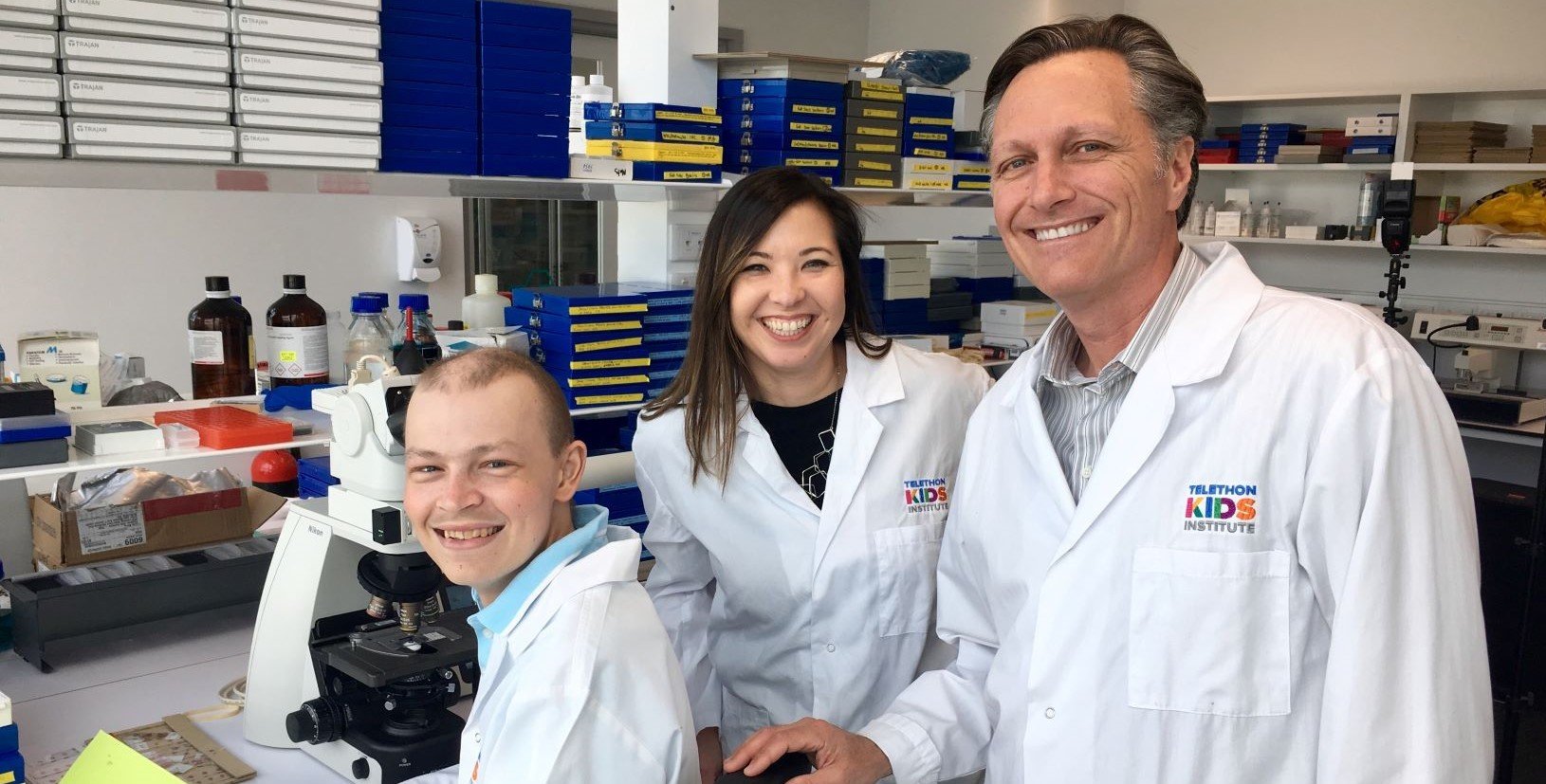
An international clinical trial led by The Kids Research Institute Australia Cancer Centre is trialling a drug which could increase cure rates for aggressive forms of childhood brain cancer.
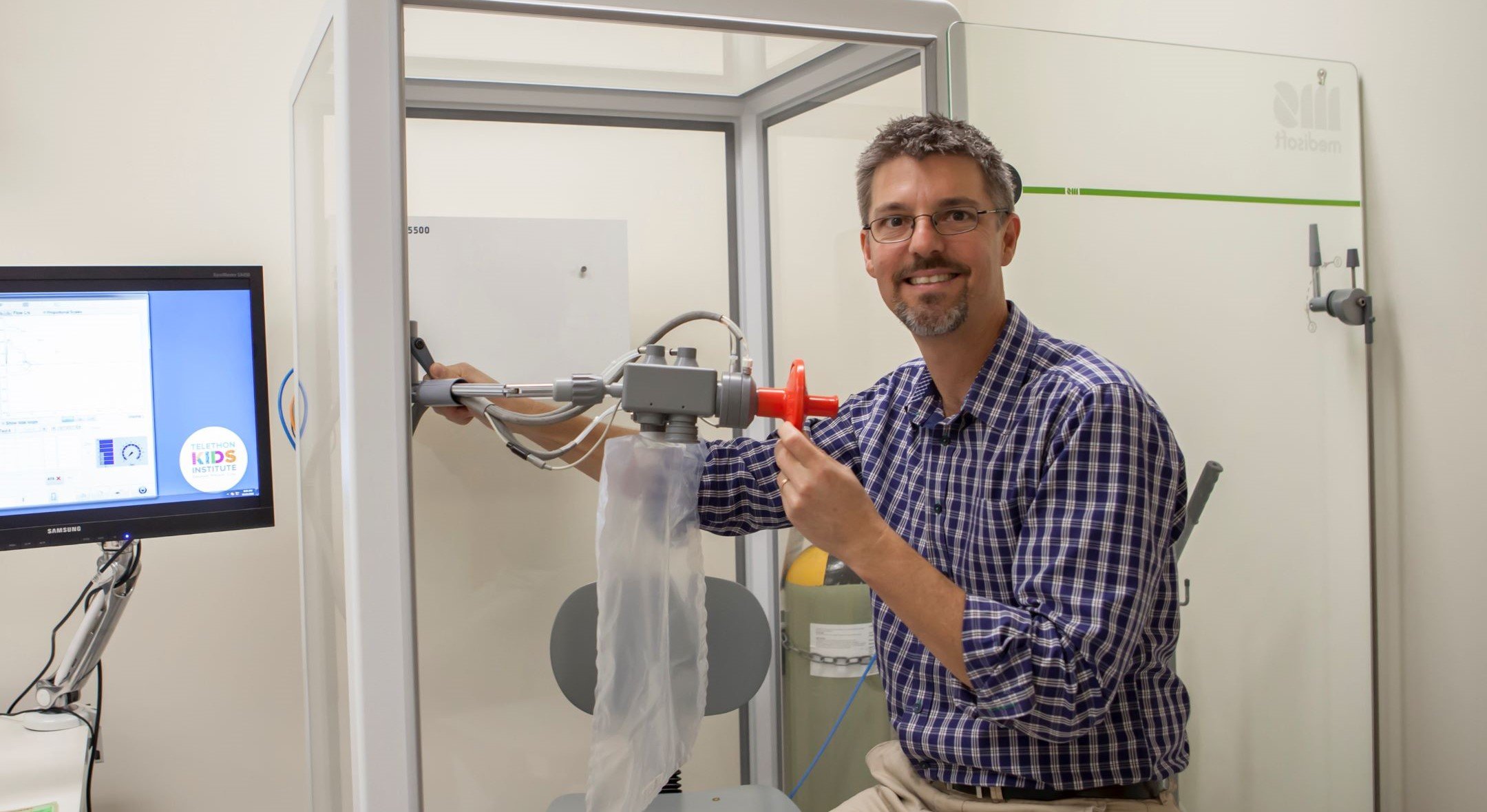
A global network of researchers and clinicians, co-led by The Kids’ Professor Graham Hall, has transformed international best practice in identifying low lung function and diagnosing and treating lung disease.
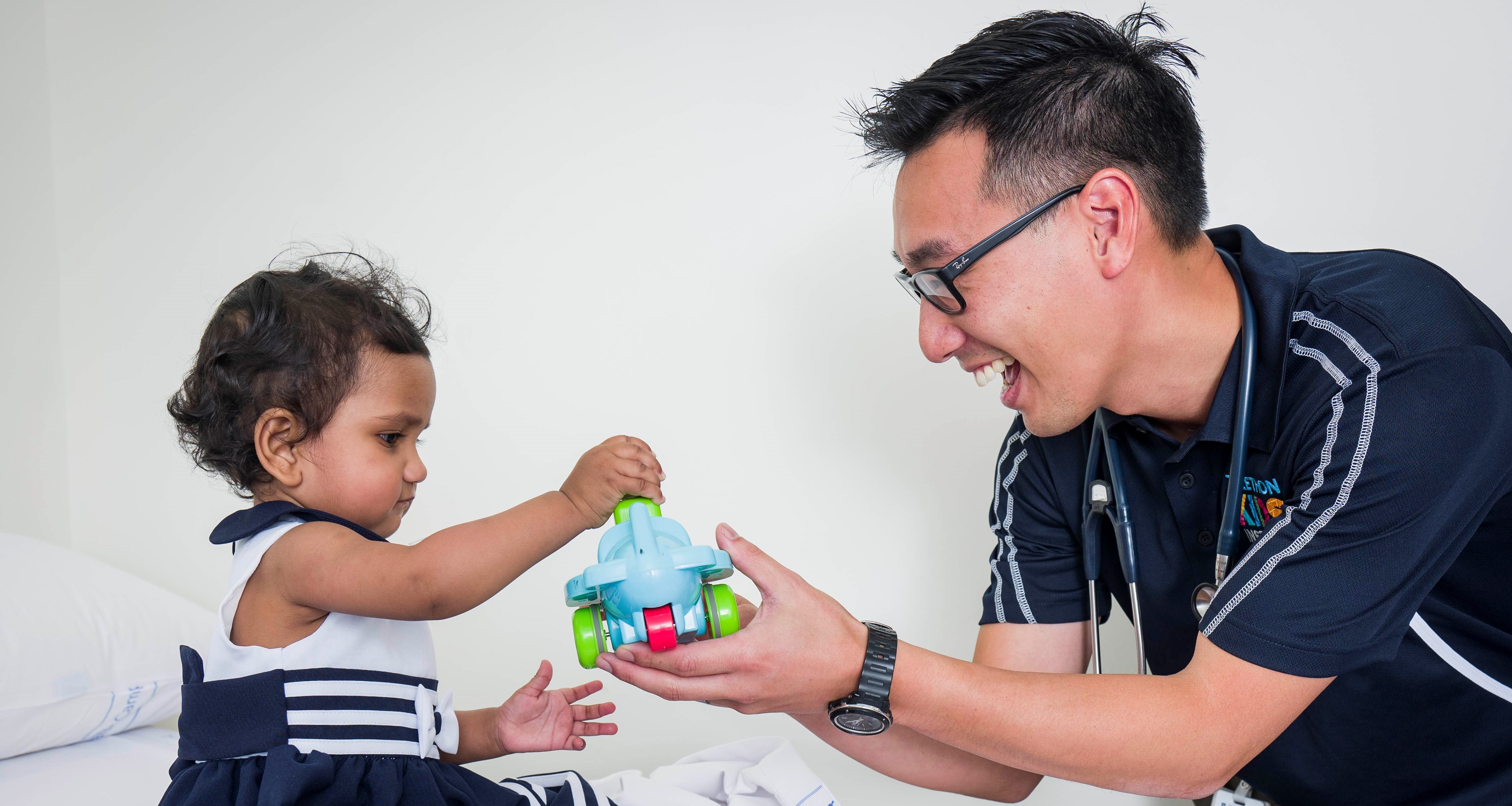
The ORIGINS Project, a collaboration between The Kids and Joondalup Health Campus, is collecting data and biological samples from 10,000 families over 10 years. Its work is also giving participating families a valuable heads up on health issues.
Strong advocacy efforts have paid off with health and food safety ministers from around Australia and New Zealand finally approving the recommended version of a warning label designed to highlight the potential risks of alcohol during pregnancy.
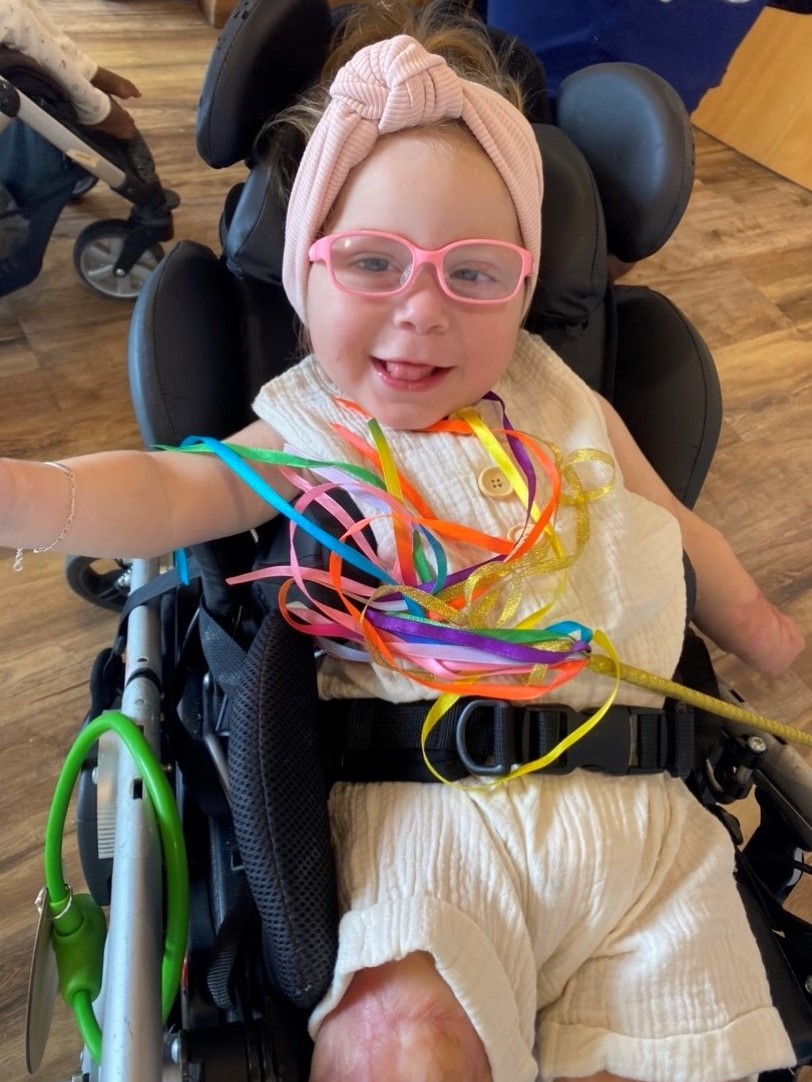
Ten years of dedicated research investigating the Meningococcal ACWY vaccine paid off 20 times over in 2019, after its inclusion on the National Immunisation Program saw a significant decrease in children being diagnosed with the deadly disease.

For children with Austin Spectrum Disorder (ASD), it can be hard to enjoy the simple pleasures of art, but the development of an ASD guide is helping to share the wonders of art with all.
On this Research Impact page, we list stories helping to show our exciting in-progress research currently "in the pipeline" towards translation. This is research which shows a real spark of potential to make a significant difference to children and families worldwide.
Early life nutrition is associated with child behaviour; however, the interplay with genetic vulnerability is understudied. We hypothesised that psychiatric genetic risk interacted with early nutrition to predict behavioural problems in childhood and adolescence.
When doctors working within healthcare systems under pressure perpetrate, witness, or fail to prevent acts that contradict their own moral or ethical values and expectations, it can lead to moral distress or moral injury. This can result from active behaviour and from purposeful inactive behaviour. It is a growing and critical concern, representing significant distress that extends far beyond traditional concepts such as burnout. This article discusses moral injury in clinical and academic medicine and actively gives suggestions to prevent and address moral injury.
Most young people live in low- and middle-income countries (LMICs), yet little is known about the implementation of school mental health promotion strategies in resource-poor settings. This study describes the extent of school mental health promotion and its drivers in junior high schools in Surabaya, Indonesia.