Skip to content

Vaccine Trials Group

The mission of the Vaccine Trials Group is to improve the health of the community through immunisation and the prevention of infectious diseases.

The Vaccine Trials Group (VTG) team of doctors, nurses, researchers, scientists, students and phlebotomists is testing and evaluating the safety and effectiveness of new vaccines for a range of diseases, as well as monitoring vaccines.

The VTG was established in 2000 to provide a coordinated approach to the development, delivery, assessment and promotion of vaccines, infectious disease and allergy treatments in the community. The team plays a vital role in the development and evaluation of vaccines recommended for children and adults throughout Australia.

The VTG leads national studies focusing on a range of diseases including influenza,
pneumococcal, meningococcal, respiratory syncytial virus (RSV) and whooping cough.

Team leader

Peter Richmond
Peter Richmond

MBBS MRCP(UK) FRACP

Head, Vaccine Trials Group

Team members (18)

Clinical Research Manager

Christian Tjiam
Christian Tjiam

BSc BMedSc(hons) PhD

Senior Research Fellow

Zoe Ellis

Zoe Ellis

Clinical Laboratory Coordinator

Camille Gibson

Camille Gibson

Research Nurse

Jan Jones

Jan Jones

Laboratory Research Assistant

Karen Jones

Karen Jones

Executive Assistant

Sonia McAlister

Sonia McAlister

Postdoctorial Researcher

Kieran Veale

Kieran Veale

Research Nurse

Ushma Wadia

Ushma Wadia

Clinical Research Fellow

Kerrie Lisgaris

Kerrie Lisgaris

Research Nurse

Jonah Macliver

Jonah Macliver

Laboratory Research Assistant

Shania Tansil

Shania Tansil

Laboratory Research Assistant

Chantalia Tedja

Chantalia Tedja

Laboratory Research Assistant

Madeline Ong

Madeline Ong

Clinical Research Fellow

Julia Kets

Julia Kets

Research Nurse

Louise Ghosh

Louise Ghosh

Research Nurse

Matthew Harms

Matthew Harms

Laboratory Research Assistant

Edison Foo

Edison Foo

Laboratory Research Assistant; PhD candidate

Vaccine Trials Group projects

Past projects

The Long-term Impact of Serogroup B Invasive Meningococcal Disease (IMD) in Australian Adolescents and Young Adults: AMEND study A phase 3, multicenter, randomized, double-blind, active-comparator-controlled study to evaluate the safety, tolerability, and immunogenicity of V114 in healthy infants (PNEU-PED-EU-1) A Phase 3, Randomized, Observer-Blind, Placebo-Controlled, Group-Sequential Study to Determine the Immunogenicity and Safety of a Respiratory Syncytial Virus (RSV) F Nanoparticle Vaccine with Aluminium in Healthy Third-trimester Pregnant Women; and Safety A Phase II Randomized, Controlled, Observer-Blinded Study, Conducted to Describe the Immunogenicity, Safety, and Tolerability of a Neisseria Meningitidis Serogroup B Bivalent Recombinant Lipoprotein 2086 Vaccine When Administered to Healthy Toddlers Testing the meningococcal conjugate vaccine MenACWY-TT in toddlers Phase 2b Randomized, Double-blind, Placebo-controlled Study to Evaluate the Safety and Efficacy of MEDI8897, a Monoclonal Antibody With an Extended Half-life Against Respiratory Syncytial Virus, in Healthy Preterm Infants TESTOV Pneumo A study to determine the safety and immunogenicity of 10-valent and 13-valent pneumococcal conjugate vaccines in Papua New Guinean children PneumoWA: A case-control study of the role of viral and bacterial pathogens in causing pneumonia among Western Australian children Study of an oral medication for infants hospitalized with Respiratory Syncytial Virus (RSV) infection Efficacy, Immunogenicity, and Safety Study of Clostridium difficile Toxoid Vaccine in Subjects at Risk for C. difficile Infection
Vaccine Trials Group

News

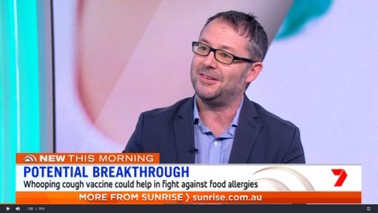
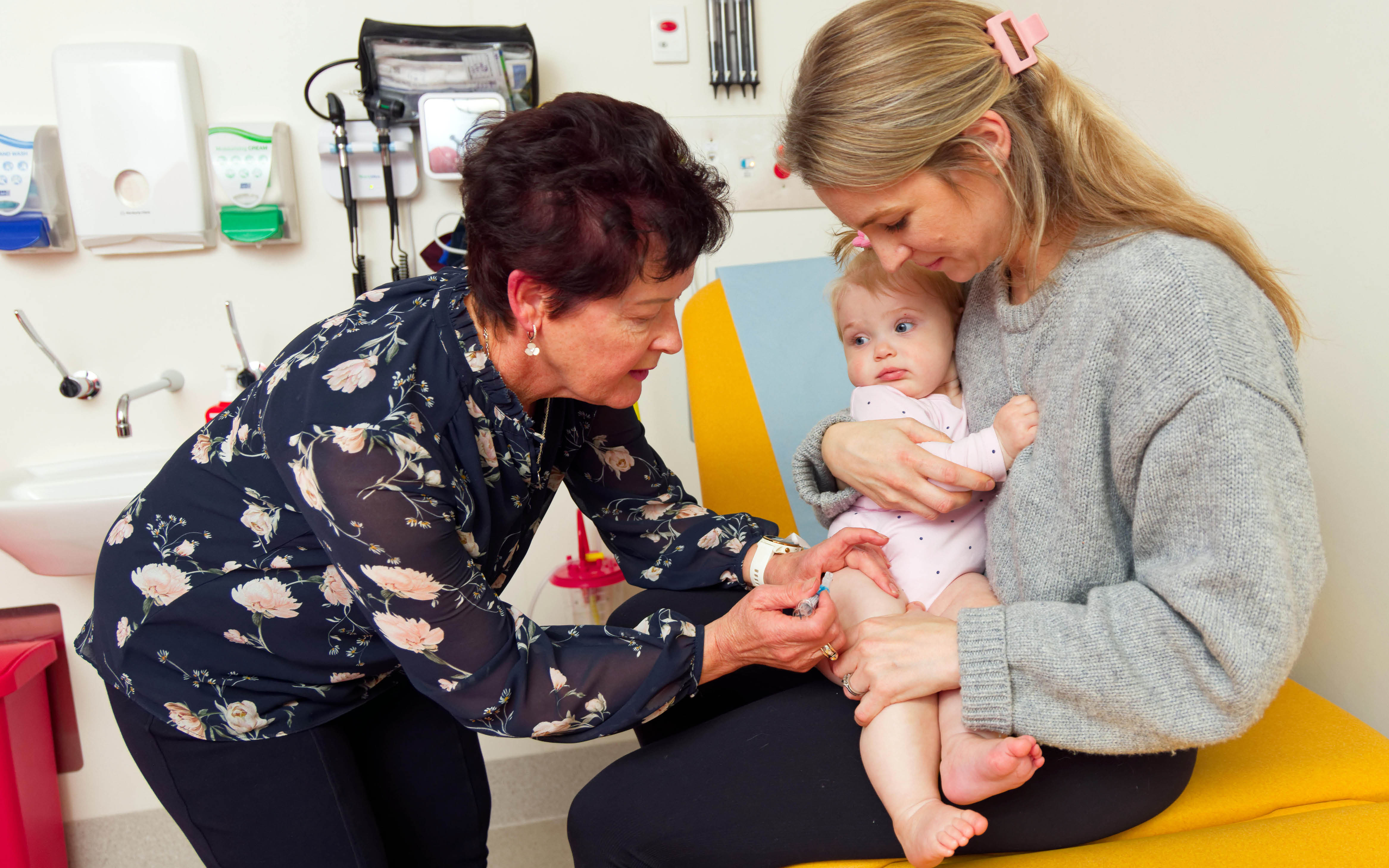
Protecting children against food allergies

Protecting children against food allergies

Feasibility, Safety, and Impact of the Probiotics Lactiplantibacillus plantarum and Bifidobacterium longum subspecies infantis in Papua New Guinean Infants

Childhood mortality in low- or middle-income countries (LMICs) remains a major public health concern, with infections being a leading cause of infant death. Probiotics have shown promise in reducing infection-related morbidity and mortality in preterm infants, but their use in newborns born at or near term in LMICs requires further investigation.

Topical versus systemic antibiotics for chronic suppurative otitis media

Chronic suppurative otitis media (CSOM), sometimes referred to as chronic otitis media (COM), is a chronic inflammation and often polymicrobial infection of the middle ear and mastoid cavity, characterised by ear discharge (otorrhoea) through a perforated tympanic membrane. The predominant symptoms of CSOM are ear discharge and hearing loss. Systemic antibiotics are commonly used to treat people with CSOM. This is the first update to the review published in 2021, and is one of a suite of seven Cochrane reviews evaluating the effects of non-surgical interventions for CSOM.

Systemic antibiotics for chronic suppurative otitis media

Chronic suppurative otitis media (CSOM), sometimes referred to as chronic otitis media (COM), is a chronic inflammation and often polymicrobial infection of the middle ear and mastoid cavity, characterised by ear discharge (otorrhoea) through a perforated tympanic membrane. The predominant symptoms of CSOM are ear discharge and hearing loss. Systemic antibiotics are commonly used to treat people with CSOM. This is the first update to the review published in 2021, and is one of a suite of seven Cochrane reviews evaluating the effects of non-surgical interventions for CSOM.

Australasian Bronchiolitis Guideline: 2025 Update

To provide updated evidence-based clinical guidance in the management of infants with bronchiolitis presenting to emergency departments (EDs), general paediatric, or intensive care units (ICUs) in Australia and Aotearoa New Zealand (AoNZ) following the first publication in 2016.

Show all