
Search

Become a Research Buddy Ever wanted to be involved in type 1 diabetes research studies, but never knew how to get started or never had time before
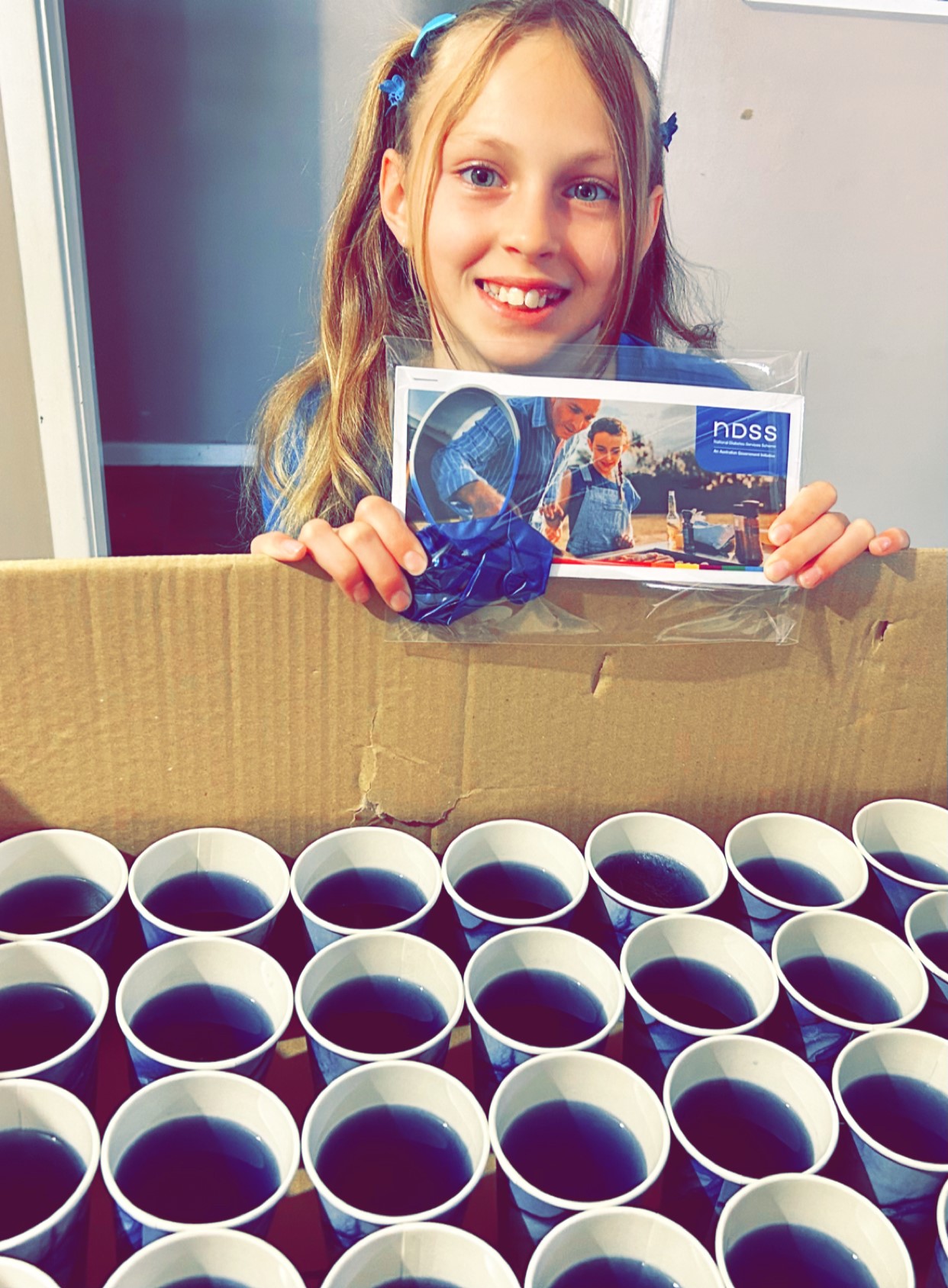
Last month we celebrated World Diabetes Day and what a monumental day it was. This year's theme was 'Access to diabetes care' and the WA T1D community spread the message far and wide.
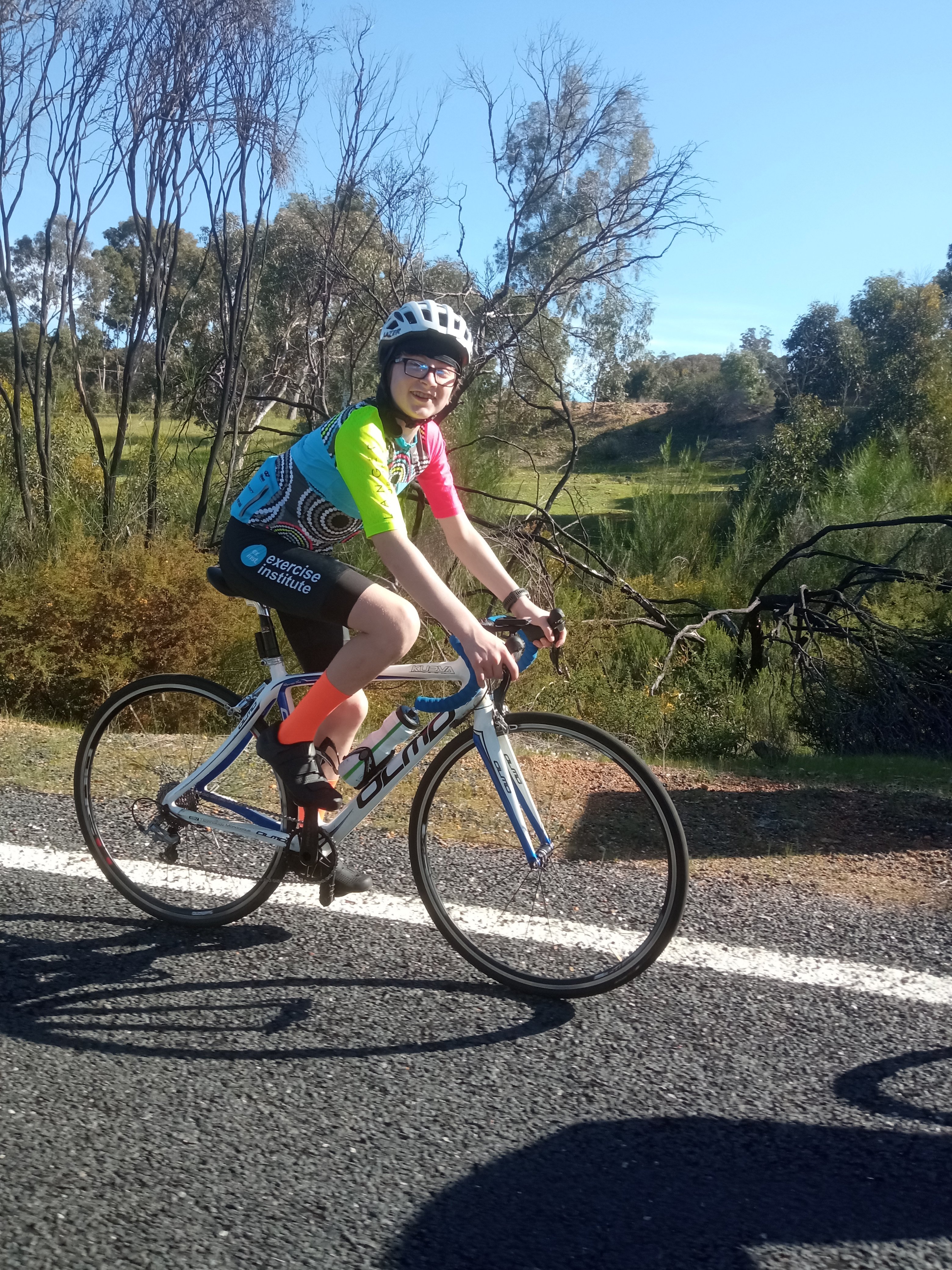
WA teenager Theo Grant has been living with type 1 diabetes since he was two-years-old, but the condition hasn't stopped him from setting big goals
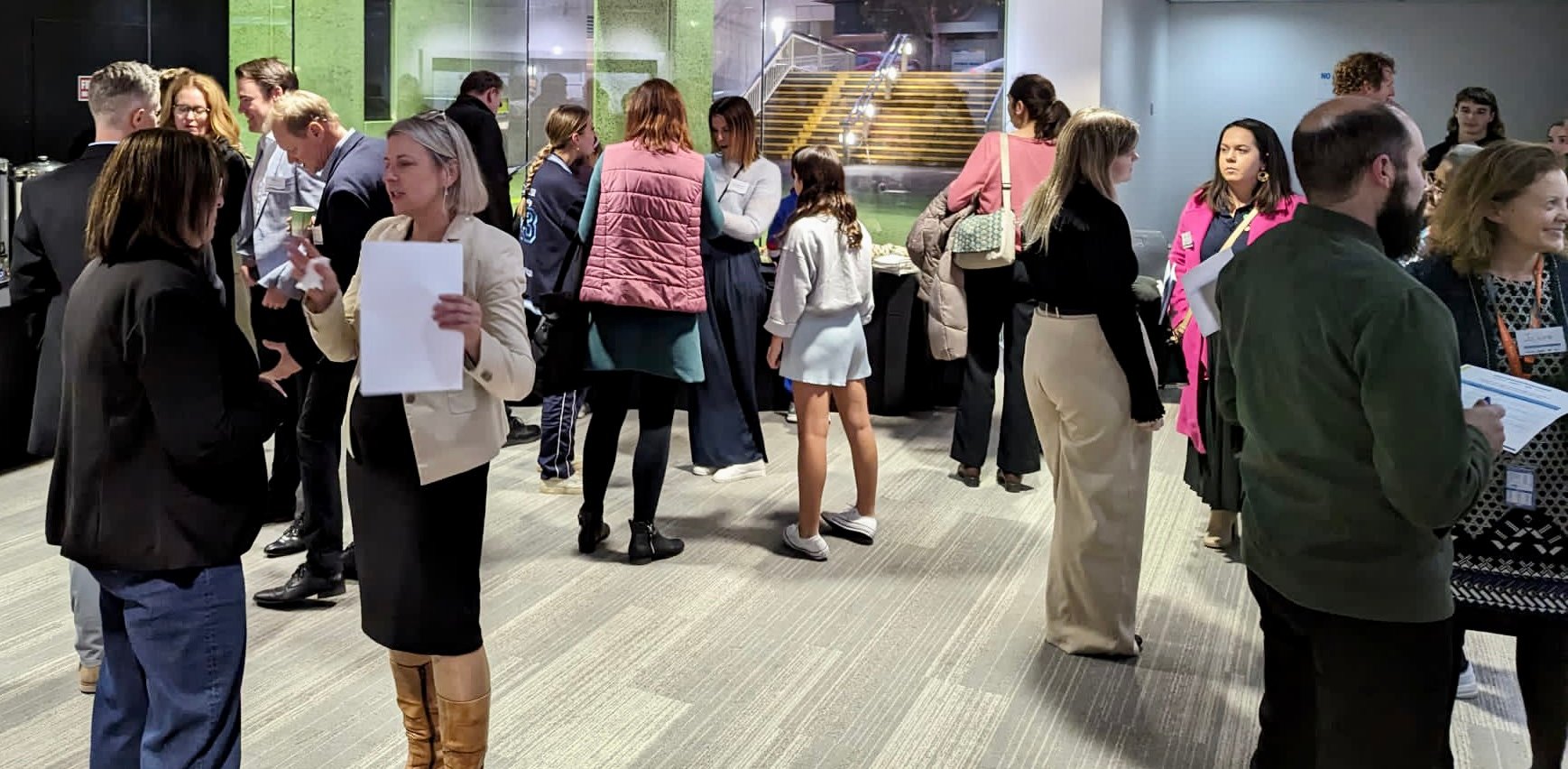
The Rio Tinto Children's Diabetes Centre, A JDRF Global Centre of Excellence COMMUNITY FORUM - Wednesday 26 July, 2023 Thank you to all those who
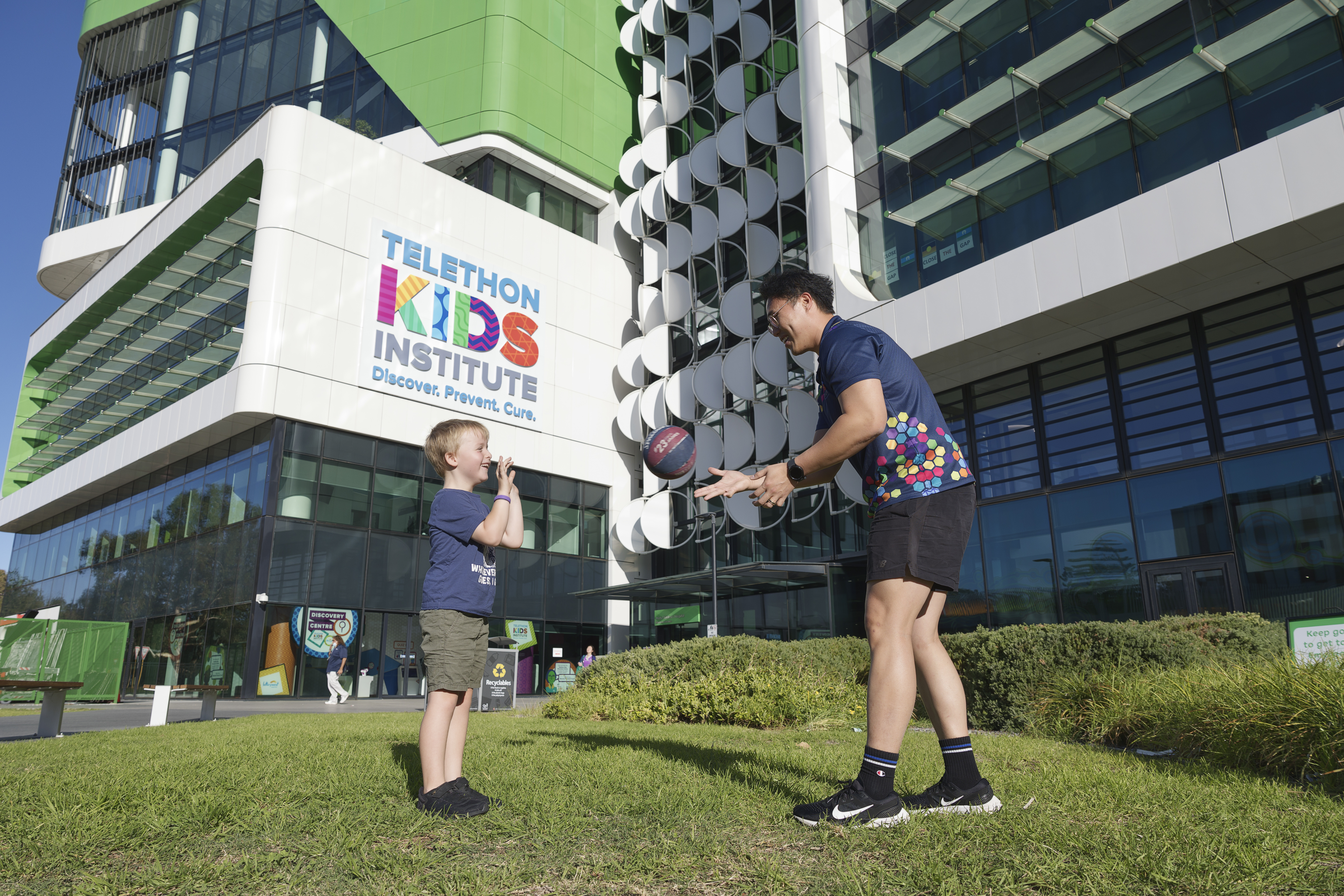
Developing educational exercise resources to improve awareness and knowledge of Type 1 Diabetes (T1D) within community sport settings. Community
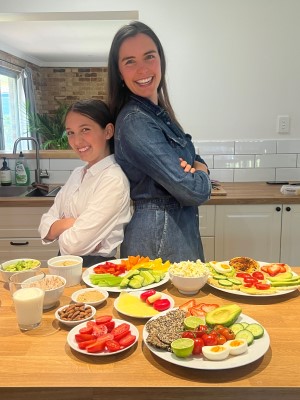
Nutrition videos for young people living with T1D Australian children living with type 1 diabetes (T1D) and their families can now access trustworthy
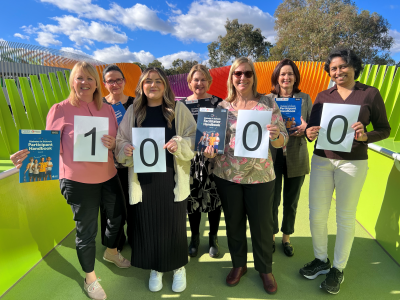
The Diabetes in Schools team at the Perth Children’s Hospital have just reached a huge milestone – 1000 school visits!

Steering Committee Member Is your child currently using the Diabetes Service at PCH? Are you interested in better use of diabetes data to improve

Clinic update for regional and rural patients
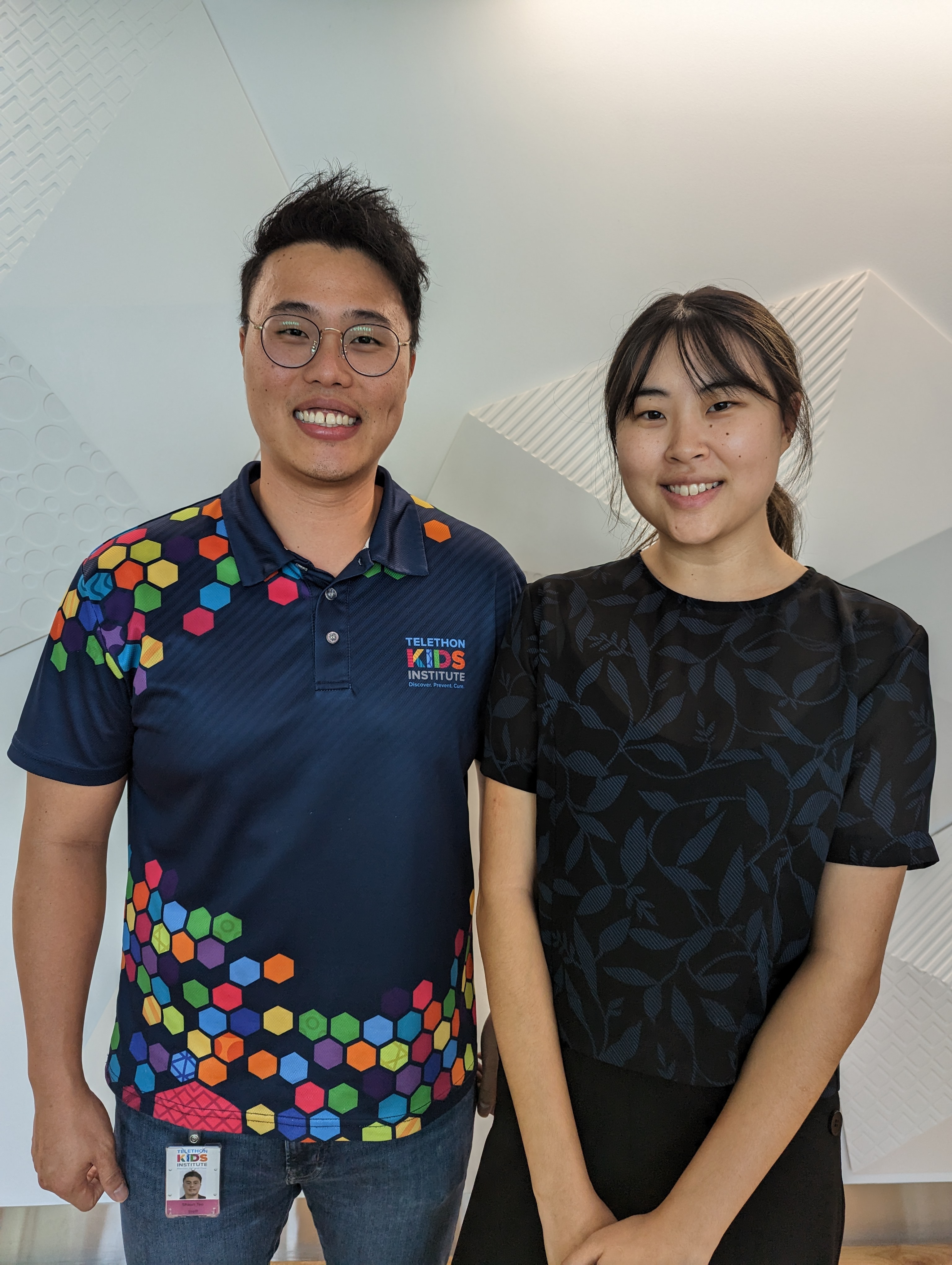
A big congratulations to our The Kids and UWA researchers Dr Shaun Teo and Dr Paul Fournier who have both been awarded $70,000 grants for their diabetes research projects, under the 2023 Diabetes Australia Research Program (DARP).