
Search
Residential exposure to traffic emissions and adverse pregnancy outcomes
Bronchiolitis hospitalisations are a reasonable proxy for the timing of RSV detections, but may not fully capture the magnitude of RSV epidemics
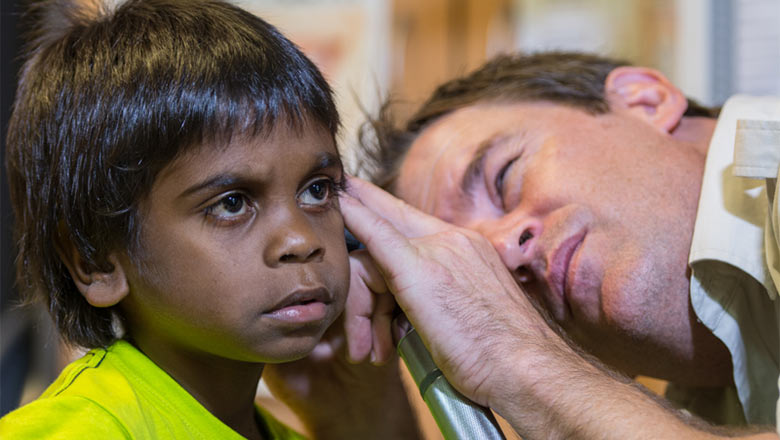
Australia's first national diagnostic tool for Fetal Alcohol Spectrum Disorder (FASD) has been developed by researchers at The Kids Research Institute Australia and the U
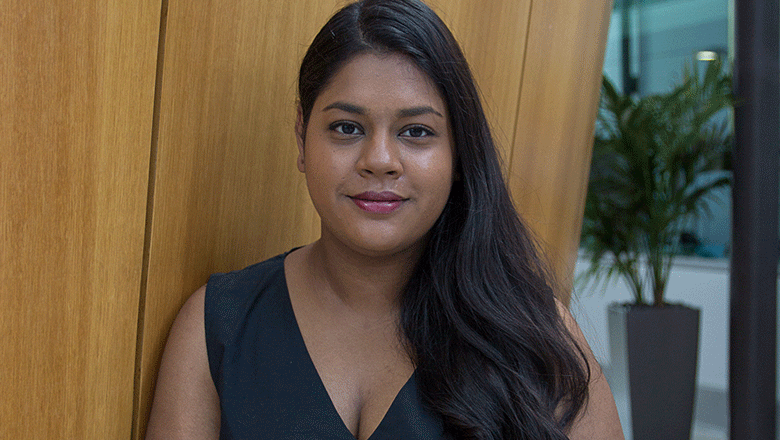
Congratulations to Gail Alvares from our Autism research team who has been named as one the ABC's Top 5 Under 40 scientists in residence.
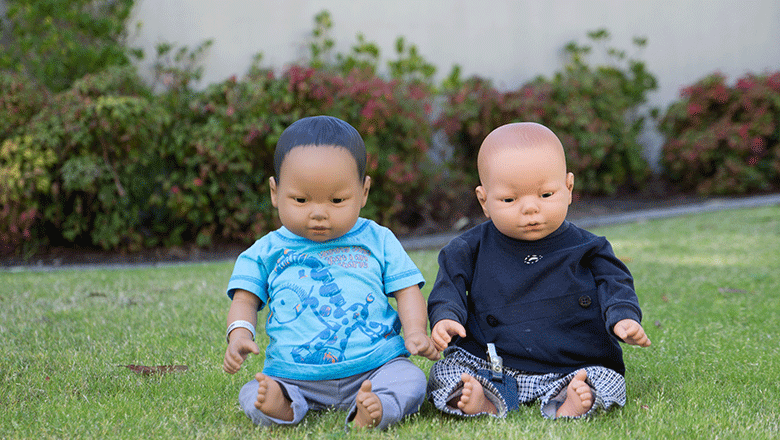
A The Kids Research Institute Australia study has found a popular education programme where teenagers care for a "robot" baby fails to reduce teen pregnancy, and could in fac
Three Perth researchers from The Kids Research Institute Australia have today been named finalists for the 2016 Australian Museum Eureka Prizes.
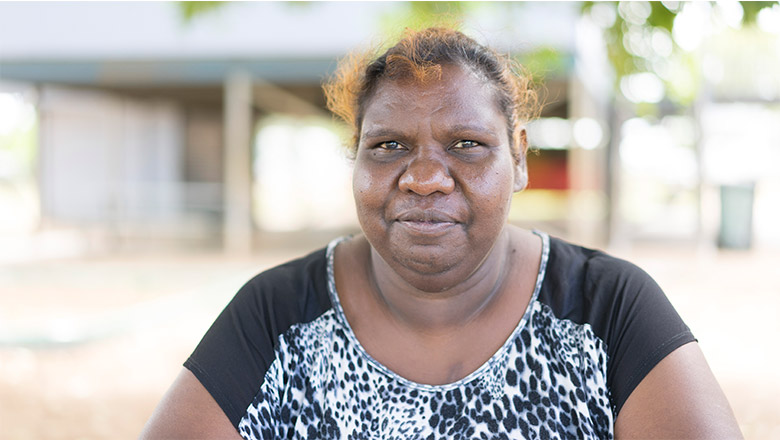
Aboriginal women in Western Australia's Kimberley region will be become qualified as community health researchers thanks to a grant awarded to The Kids.
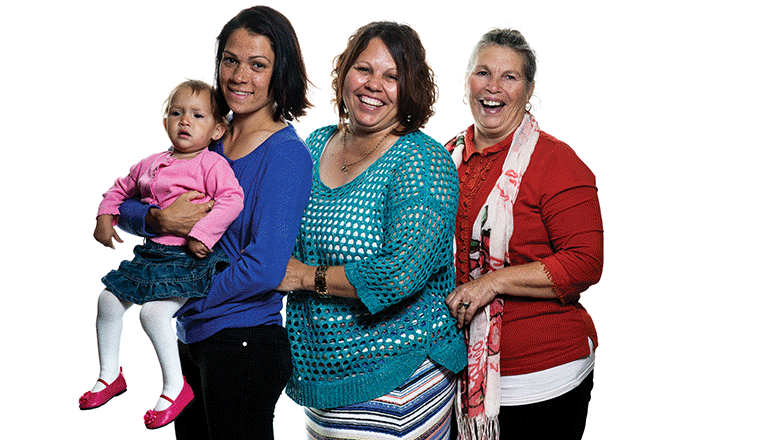
A study by researchers at The Kids Research Institute Australia has found Aboriginal mothers are at a significantly greater risk of preventable death than other Australia
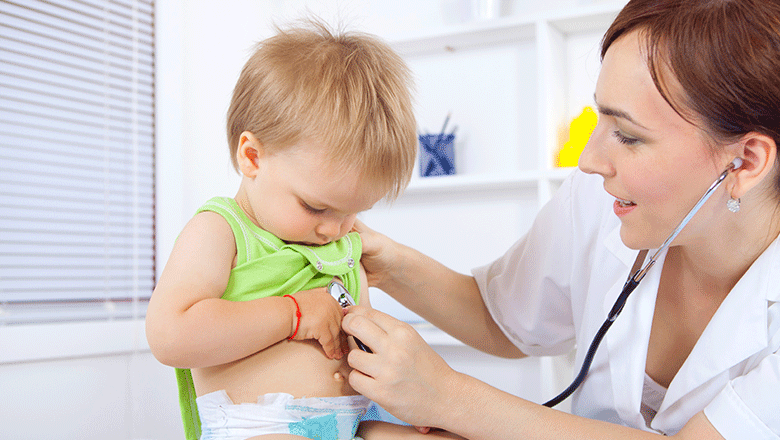
The Kids researchers are amongst a group of experts who have recommended that doctors can stop intravenous antibiotics sooner in children.

New research has found children who are born even slightly premature or underweight are more likely to be hospitalised with an infection during their childhood