
Search

The Kids Research Institute Australia researchers have been awarded 12 of 16 grants under the latest round of funding from the WA Child Research Fund

Can young people experiencing homelessness be part of the solution in suicide prevention? That is the question youth mental health researchers at Embrace at The Kids Research Institute Australia will investigate.
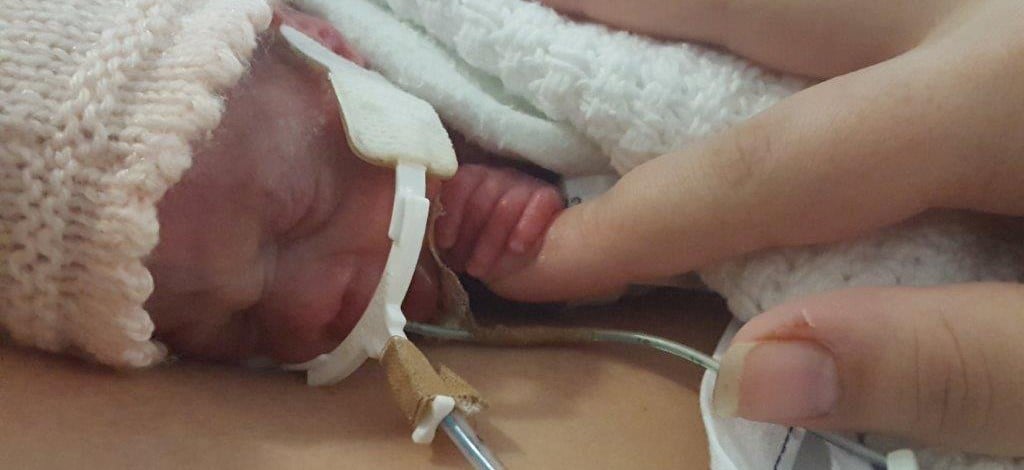
When KEMH specialists first suggested using coconut oil to treat the fragile skin of Kimberly Rohrlach’s extremely premature first-born child, Isabella, she thought it was more than a little weird.

A The Kids Research Institute Australia researcher will map every food business and school in Perth to investigate the influence of the food environment on children’s food intake and health.
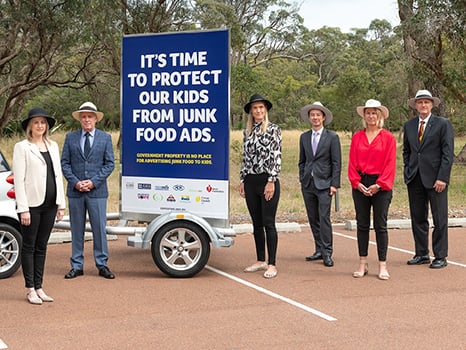
WA’s leading health agencies have joined forces to call on the State Government to immediately end junk food advertising on government property.
Peanut allergy is the the most common cause of life-threatening food-induced anaphylaxis. There is currently no effective long-term treatment. There is a pressing need for definitive treatments that improve the quality of life and prevent fatalities. Allergen oral immunotherapy (OIT) is a promising approach, which is effective at inducing desensitisation; however, OIT has a limited ability to induce sustained unresponsiveness (SU).
Fetal exposure to maternal smoking during pregnancy is associated with the development of noncommunicable diseases in the offspring. Maternal smoking may induce such long-term effects through persistent changes in the DNA methylome, which therefore hold the potential to be used as a biomarker of this early life exposure. With declining costs for measuring DNA methylation, we aimed to develop a DNA methylation score that can be used on adolescent DNA methylation data and thereby generate a score for in utero cigarette smoke exposure.
Optimal mental health in the pre-conception, pregnancy and postpartum periods is important for both maternal and infant wellbeing. Few studies, however, have focused on Indigenous women and the specific risk and protective factors that may prompt vulnerability to perinatal mental disorders in this culturally diverse population.
Copeptin is a surrogate marker for arginine vasopressin (AVP) release in response to hyperosmolal stimuli such as diabetic ketoacidosis (DKA). The objective of this work is to characterize kinetics of copeptin and osmolality, and their dynamic relationship during rehydration and insulin therapy in children with type 1 diabetes (T1D) and DKA.
The Multidimensional Adolescent Functioning Scale (MAFS) is a 23-item, self-report questionnaire assessing psychosocial functioning in adolescents aged 12-17 years. It captures three domains of functioning: 'general functioning', 'family-related functioning', and 'peer-related functioning'. The original English version has good psychometric properties. The aim of the current paper was to translate the MAFS to Dutch and to investigate the psychometric properties of this translation.