
Search
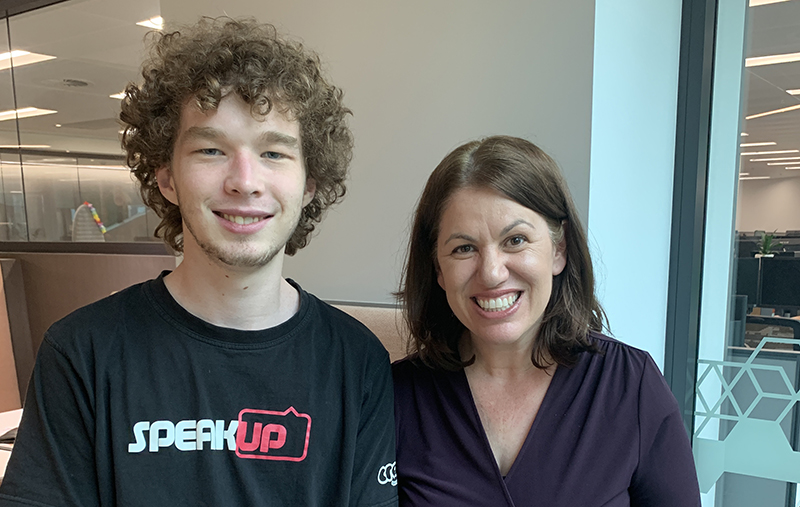
A The Kids report which found young people leaving foster care are in desperate need of more help transitioning to adulthood has lent strength to a national push to extend formal support to the age of 21.
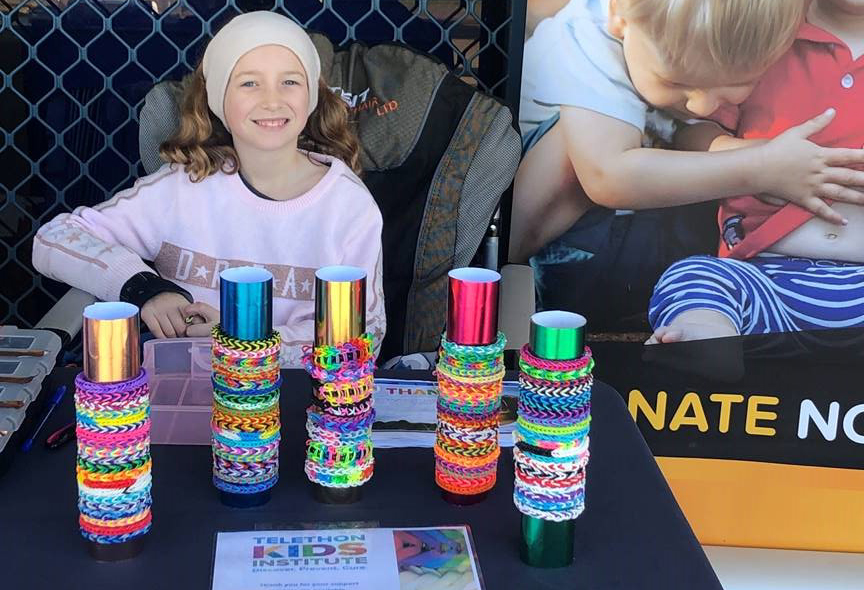
Ten-year-old Isabelle decided to make and sell loom band bracelets to raise money for The Kids Research Institute Australia.

The integration of multi-omics approaches with clinical research will be, without doubt, a cornerstone of future innovation in medical practice.
Here we investigate these features in an animal model related to autism spectrum disorder - the DVD-deficient rat
Procurement and Supply Partner Queries Corporate Philanthropy For any procurement queries, please contact the Institute's Procurement Team. Email:
The concentrations of 1-AP and 1-OHP increased significantly across a 12-hour mining work shift
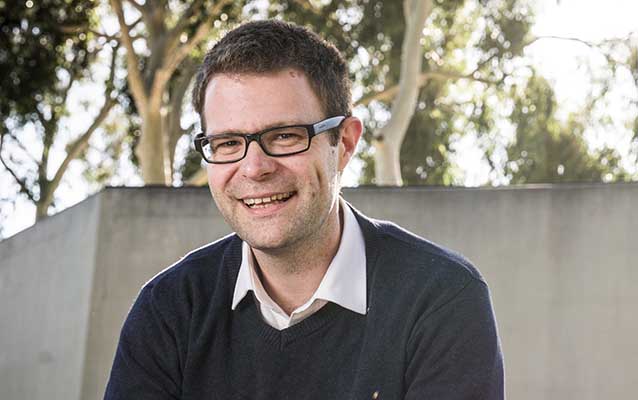
A new study that combines data from over 20 million births has found that a caesarean section delivery is associated with autism spectrum disorder (autism) and attention-deficit hyperactivity disorder (ADHD).
Overall, temperament had small associations with cognitive and academic outcomes after accounting for parenting and confounders
These findings provide novel insight into the composition of the gut virome during pregnancy and demonstrate a distinct profile of viruses in women with T1D
We investigated the influence of brain serotonin modulation and MAOA genotype on functional amygdala connectivity during aggressive behavior