Skip to content
The Kids Research Institute Australia logo
Donate

No results yet

Search

Research

Quantitative measures of subjective wellbeing for adolescents: a scoping review and synthesis of comparable data

Efforts to promote adolescent wellbeing are of increasing global interest. Although the ability to measure wellbeing is essential for identifying disparities between and within populations, and for tracking progress in improving wellbeing, the best way to measure this elusive concept in adolescents is unclear.

Research

Experiences and Recognition of Intimate Partner Violence among a Community-Sample of LGBTIQA + People in Western Australia

LGBTIQA + people experience intimate partner violence (IPV) at higher rates than non-LGBTIQA + people but under-utilize professional support services, and the reasons for this are poorly understood. This study examined IPV experiences, recognition of IPV, service utilization, and support needs among a self-selected sample of 523 LGBTIQA + adults in Western Australia.

Research

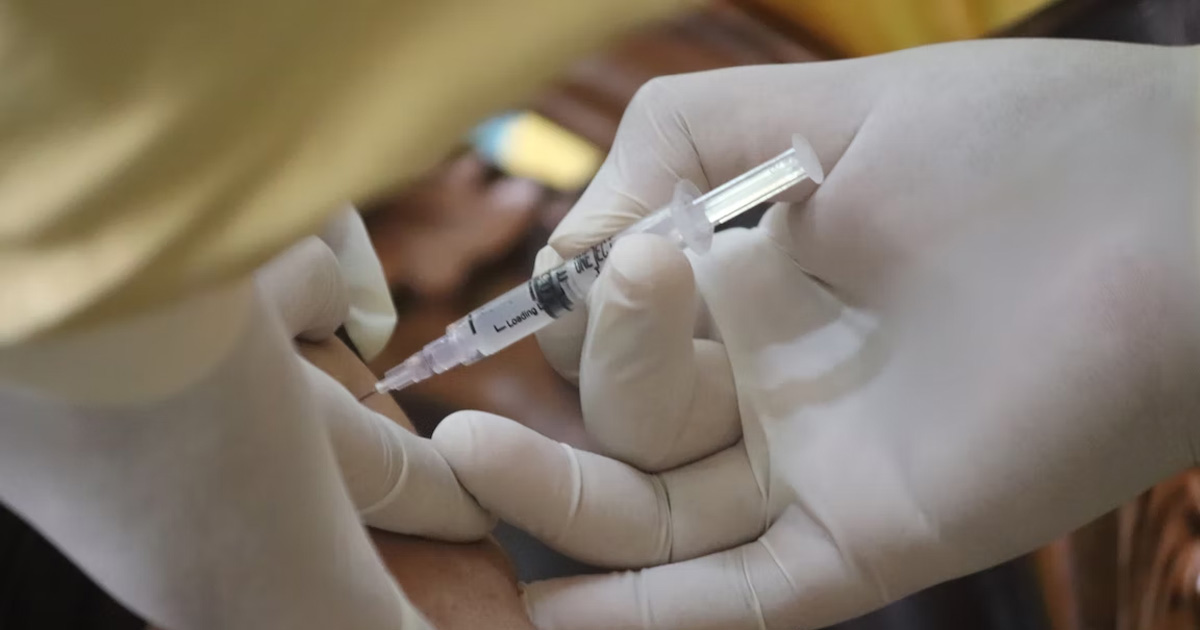
Nudging towards COVID-19 and influenza vaccination in children with medically at-risk conditions

Non-coercive 'nudge' interventions have shown the potential to promote health behaviours. This study aimed to evaluate the impact of nudge interventions on COVID-19/influenza vaccine uptake among children with medically at-risk conditions.

Research

Who gets asthma, and why?

Citation: Evans DJ, D Sly PD, Foster P, Donovan C. Who gets asthma, and why? Med J Aust. 2025;223(S10):S19-S23. Keywords: Asthma; Lung diseases;

Research

Coping Compass: co-designing a brief online positive psychology programme for youth with chronic conditions

This article presents a case study of a 12-month co-design process with young people (16–25) living with chronic health conditions to create an online, self-guided intervention based on positive psychology. Following an established framework for co-designing with vulnerable consumers, the co-design process was designed with stakeholders to promote accessibility and maximise youth engagement in the design of the programme. 

Research

Topical Lidocaine During Airway Manipulation in Pediatric Anesthesia: A Systematic Review and Meta-Analysis

Lidocaine is widely used in pediatric anesthesia for airway topicalization to modulate undesirable airway and circulatory reflexes, yet its effectiveness remains unclear. Therefore, we aimed to perform a meta-analysis evaluating the impact of topical lidocaine on respiratory adverse events in children undergoing airway management.

Research

Perceived stress in mothers of children with and without islet and coeliac autoimmunity in the ENDIA study

We aimed to assess perceived stress and influencing factors in mothers with children at risk of type 1 diabetes and coeliac disease who did, or did not, develop islet autoantibodies or coeliac autoantibodies by 4 years of age.

Research

The Association Between Obesity and COVID-19 Severity in Children Differed Between SARS-CoV-2 Variants: A Multicountry Hospital-based Observational Study

Obesity was a risk factor for severe COVID-19 in children during early outbreaks of ancestral SARS-CoV-2 and the Delta variant. However, the relationship between obesity and COVID-19 severity during the Omicron wave remains unclear.

Research

Islet autoimmunity in young First Nations women with prediabetes and type 2 diabetes

Type 1 diabetes in First Nations peoples is low yet type 2 diabetes is at epidemic proportions. This study aimed to determine the prevalence of islet autoimmunity in First Nations women with dysglycaemia and its association with clinical features.

Research

Perceived stigma and self-stigma in young people at ultra-high risk for psychosis: Associations with identity-related, psychological and functional outcomes

Perceived stigma and self-stigma negatively affect identity-related, psychological and functional outcomes among stigmatised populations. There is limited research exploring the impact of stigma among young people at ultra-high risk (UHR) for psychosis. We investigated the association of perceived stigma and self-stigma with these outcomes in young people at UHR.