
Search
PhD Scholarship opportunities The Rio Tinto Children’s Diabetes Centre; A JDRF Global Centre of Excellence, (“the Centre”) based at The Kids Research
Dr Aniket Nadkarni
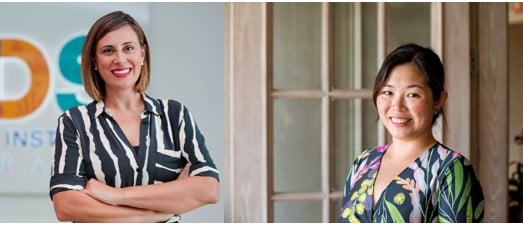
The Rio Tinto Children's Diabetes Centre; a Breakthrough T1D Centre of Excellence is excited the announce the latest round of seed funding recipients.

To celebrate International Day of Women and Girls in Science, we asked some of the research team to share why science is the key to success and their tips for encouraging girls who want to pursue a career in STEM.
Congratulations to Professor Liz Davis and her team at the Rio Tinto Children's Diabetes Centre, who have received significant digital health grants through the Future Health Research and Innovation (FHRI) Fund.
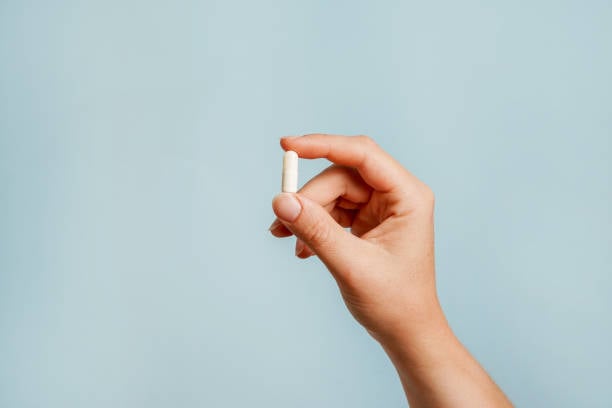
Evaluating the biological activity of a single dose of encapsulated oral semaglutide in healthy adults over a period of one week.

A new research study conducted by Professor Jeneva Ohan and Dr Keely Bebbington aims to develop our understanding of how adolescents navigate these disclosure decisions, and how we can support them to feel more confident when talking to others about their diabetes.
The DiabHQ Patient Portal App is coming soon!

Technology is an important part of diabetes management but its important to stay cybersecurity aware.
Dr Sabrina Binkowski